
For centuries, wine has played an integral role in religious and cultural practices worldwide. But what about in the Bible? Are there references to wine in this sacred text? The answer is yes – wine is mentioned numerous times in the Bible, and its significance can be seen in the stories and teachings conveyed.
In this article, we will dive into the presence of wine in the Bible, exploring its historical, symbolic, and spiritual significance. By examining the biblical references to wine, we can gain insights into the culture, teachings, and deeper meanings conveyed through this ancient beverage.
Key takeaways:
- Wine is mentioned numerous times in the Bible.
- Examining the references to wine can provide insights into the culture and teachings of biblical times.
- Wine holds both historical and symbolic significance in the Bible.
- Interpreting the references to wine can offer various theological perspectives.
- We can learn valuable spiritual insights from the biblical references to wine.
Wine in the Old Testament
The use of wine in the Old Testament is mentioned in various contexts, including religious ceremonies and daily life. Wine was a significant part of the social and cultural landscape, with vineyards and winepresses scattered throughout the region.
The historical context of wine in the Bible is the key to understanding its significance in biblical times. Farmers placed a high value on their vineyards, putting significant effort into cultivating them. For example, the vineyard of Naboth was so cherished that it became a matter of life and death.
| Wine in the Old Testament | Significance |
|---|---|
| Noah | Made wine after the flood. |
| Melchizedek | Brought out bread and wine when Abraham returned from battle. |
| Boaz | Owned a vineyard, which Ruth gleaned from. |
Wine was also used in religious ceremonies. It was an important part of the Passover celebration and the daily sacrifices offered in the temple. In fact, there are instances where God is described as being pleased with the offering of wine, such as in the story of Cain and Abel.
Understanding the historical and cultural context of wine in the Old Testament provides us with a deeper appreciation of its significance. It was a symbol of abundance and joy, reflecting the blessings of God.
Wine Symbolism in the Bible
Wine is not only a physical beverage but is often used in the Bible to symbolize deeper spiritual concepts. In biblical times, wine was a symbol of joy, celebration, and abundance.
Jesus even used wine as a symbol for his blood, which he shed for the redemption of humanity. The wine that Christians drink during communion is a physical representation of this spiritual truth and unity with Jesus and each other.
However, wine is not always used in a positive light in the Bible. It can also symbolize excess, drunkenness, and sin. The Bible warns against the misuse of wine, and while it can bring joy and celebration, it can also lead to destruction.
| Symbolism | Meaning |
|---|---|
| Vineyard | The vineyard is a symbol of God’s people, and God is the vine grower. The branches on the vine represent believers who are connected to Christ and bear fruit. |
| New Wine | New wine symbolizes the Holy Spirit, which is poured out on believers to bring new life and joy. |
| Old Wine | The old wine represents the old ways of doing things, which are not compatible with the new way of life found in Christ. |
Understanding the symbolic meaning of wine in the Bible can deepen one’s spiritual understanding and appreciation of its significance. It teaches us to use wine responsibly and to be mindful of its symbolism, not just as a physical beverage but as a representation of spiritual truths.
Biblical Narratives Involving Wine
Wine plays a significant role in many biblical narratives, highlighting its cultural and spiritual value in ancient times. In the most well-known example, Jesus performed his first miracle at a wedding feast in Cana, turning water into wine to save the festivities. This event showcases the abundance of wine and its importance in social gatherings.
The Story of Noah and the Vineyard
Another well-known narrative is the story of Noah and the vineyard, found in Genesis 9:20-27. After the Great Flood, Noah planted a vineyard and drank the wine he produced, becoming intoxicated and naked. This event led to his three sons’ different reactions, with Shem and Japheth covering their father while Ham showed disrespect. The story emphasizes the dangers of excessive drinking and responsible alcohol consumption.

| Narrative | Lesson |
|---|---|
| The Wedding Feast at Cana (John 2:1-11) | Jesus demonstrating his power and turning water into wine highlights the abundant blessings of God and the joy of celebrations. |
| The Story of Noah and the Vineyard (Genesis 9:20-27) | The story emphasizes the dangers of excessive drinking and responsible alcohol consumption. |
| The Story of Melchizedek and Abram (Genesis 14:18-20) | The story emphasizes the association of wine with offering and hospitality, showing how wine is used to honor God and others. |
| The Parable of the Vineyard Workers (Matthew 20:1-16) | The parable highlights the importance of fair wages and equitable distribution of wealth, using vineyard work and wine production as examples. |
The Story of Melchizedek and Abram
The story of Melchizedek and Abram in Genesis 14:18-20 offers another example of wine’s significance in the culture. Melchizedek, a king and priest, offered bread and wine to Abram, showing hospitality and honoring God. This story connects wine to offerings and reinforces its importance in spiritual practices.
The Parable of the Vineyard Workers
The Parable of the Vineyard Workers in Matthew 20:1-16 uses the vineyard and wine production as an analogy to teach about fairness and generosity. The parable emphasizes that workers should be paid fairly, regardless of the length of time they have worked. It illustrates how wine-making was a valuable and labor-intensive industry, reinforcing its importance in the economy and society.
Wine in the New Testament
The New Testament continues to make references to wine, further cementing its role in religious and cultural practices. One famous instance is the Wedding at Cana, where Jesus turns water into wine, demonstrating its Divine significance. This event is often used to underline the power of faith and the blessings that result from a spiritual connection with God.
Similarly, the Last Supper, shared by Jesus and his disciples, features wine as a crucial element, symbolizing his blood and the redemption offered to believers. This act highlights the importance of communion and the role of wine in spiritual nourishment and ritual.
That being said, the New Testament also cautions against overindulgence in wine, suggesting that it can lead to destructive behavior and a lapse in one’s moral compass. The Epistles of Paul, for instance, stress the importance of temperance and moderation, advising against drunkenness and associated vices.
Overall, the New Testament offers a nuanced view of wine, highlighting its spiritual implications while encouraging restraint and responsibility in its consumption.
Historical and Cultural Context of Wine
Wine has played a prominent role in society for thousands of years, and this held true during biblical times. In fact, the consumption of wine in ancient cultures was a daily practice, often considered an essential part of meals and celebrations.
In addition to its use as a beverage, wine also had symbolic value in many ancient societies, including the Israelites. The production and consumption of wine were linked to prosperity, abundance, and religious ritual.
The cultivation of grapes and the production of wine were significant industries in the ancient Near East, and wine was a valuable commodity for trade and commerce. The wine trade was so vital that it was often regulated by government officials, and wine was even used as a form of currency.
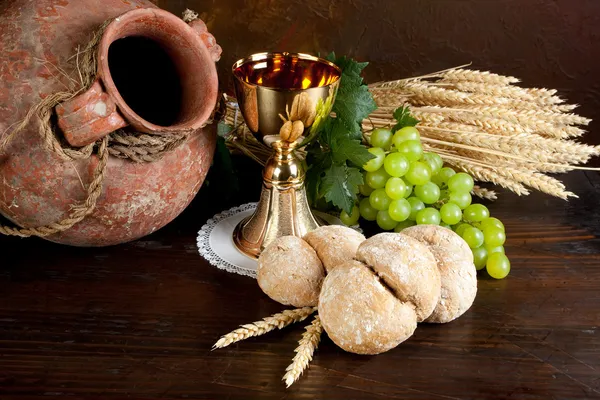
| Historical facts about wine in biblical times |
|---|
| – Wine was often diluted with water, making it less alcoholic and suitable for daily consumption |
| – The production and storage of wine required specialized knowledge and technology |
| – Wine was used in various religious ceremonies, including the Jewish Passover |
| – The consumption of wine was often associated with feasting and celebration |
| – Wine was a status symbol and the possession of a vineyard was a sign of wealth |
Overall, understanding the historical and cultural context surrounding wine in biblical times helps provide a deeper appreciation for its significance in both a social and religious context.
Wine in Rituals and Ceremonies
Wine has played a significant role in religious rituals and ceremonies for centuries, with its symbolic meaning going beyond its physical properties. In the Bible, wine is often used as a symbol of abundance, joy, and the divine presence.
One of the most notable examples of wine in religious rituals is the Christian sacrament of Communion, where wine is used to represent the blood of Christ. This practice has its roots in the biblical story where Jesus transforms water into wine at the wedding in Cana. The use of wine in Communion serves as a reminder of Jesus’ sacrifice and the promise of eternal life.
| Religion | Ritual/Ceremony | Wine’s Symbolic Meaning |
|---|---|---|
| Judaism | Passover Seder | Symbolizes the joy of freedom and redemption |
| Christianity | Communion | Symbolizes the blood of Christ and forgiveness |
| Hinduism | Puja | Symbolizes purity and the presence of the divine |
| Buddhism | Offering to the Triple Gem | Represents generosity and the teachings of the Buddha |
Wine is also used in many other religious ceremonies, such as Divali in Hinduism or Kiddush in Judaism. In these ceremonies, wine often serves as a means of celebration and connection with the divine.
The use of wine in religious rituals and ceremonies underscores its importance and significance in the spiritual realm. As a symbol of joy, abundance, and the divine presence, wine has played an essential role in countless religious practices throughout history.
Interpreting Wine in the Bible
As with any religious text, interpreting the references to wine in the Bible can spark theological debate and discussion. Several perspectives exist, each shedding light on a different aspect of the biblical perspective on wine and its symbolism.
One perspective suggests that wine is symbolic of joy and celebration in the Bible, emphasizing its role in social gatherings and community bonding. Another theological approach maintains that wine represents abundance and prosperity, highlighting the abundance of blessings that God bestows upon his followers.
However, some theologians view wine through the lens of moderation and temperance, drawing attention to the passages that promote responsible consumption and discourage excessiveness.
Regardless of the interpretive approach, it is clear that wine is deeply woven into the fabric of biblical culture and religious teachings. Its symbolic significance provides a lens through which we can gain new insights and deeper understanding of the spiritual truths conveyed in the Bible.
Wine and Spiritual Insights
Wine is more than just an alcoholic beverage in the Bible; it is a symbol of joy, abundance, and God’s blessings. By examining the references to wine in the Bible, we can gain a deeper understanding of the spiritual lessons conveyed through this ancient drink.
One of the most important biblical teachings on wine is moderation. While the Bible does not condemn wine itself, it does warn against excessive drinking and the negative consequences that can result. Proverbs 23:20-21 says, “Do not mix with winebibbers, or with gluttonous eaters of meat; for the drunkard and the glutton will come to poverty and drowsiness will cloth them with rags.” Similarly, Ephesians 5:18 admonishes, “Do not get drunk with wine, for that is debauchery; but be filled with the Spirit.”
Another significant aspect of wine in the Bible is its use as a metaphor for Jesus and his sacrifice. During the Last Supper, Jesus took the cup of wine and told his disciples, “This cup is the new covenant in my blood, which is poured out for you” (Luke 22:20). This symbolizes the shedding of his blood and his death on the cross for the redemption of humanity.
| Wine Symbolism | Meaning in the Bible |
|---|---|
| Wine as a symbol of joy and celebration | Psalm 104:14-15 – “You cause the grass to grow for the cattle, and plants for people to use, to bring forth food from the earth, and wine to gladden the human heart…” |
| Wine as a symbol of God’s blessings | Deuteronomy 7:12-13 – “The Lord your God will bless you as he has promised; you will lend to many nations, but you will not borrow; you will rule over many nations, but they will not rule over you. If you heed these ordinances diligently, then the Lord your God will maintain for you the covenant loyalty that he swore to your ancestors.” |
| Wine as a symbol of spiritual abundance | John 10:10 – “I have come that they may have life, and have it abundantly.” |
Ultimately, the teachings on wine in the Bible emphasize the importance of a balanced and responsible approach to life, enjoying God’s blessings without succumbing to excess or indulgence. By reflecting on the spiritual insights conveyed through wine, we can deepen our faith and appreciation for the divine wisdom embedded in Scripture.
My Words of Conclusion
As we have seen, wine is indeed present in the Bible, with numerous references to it in both the Old and New Testaments. Through examining these references, we gain a deeper understanding of the historical, cultural, and spiritual significance of wine in biblical times.
From its use in celebrations and rituals to its symbolic role in conveying spiritual messages, wine holds a special place in the religious texts. However, interpreting these references requires a careful examination of the context, as well as a willingness to explore different perspectives and doctrines.
Ultimately, the references to wine in the Bible offer us spiritual insights and lessons that we can apply to our lives today. By exploring its symbolism and teachings, we can gain a deeper appreciation for the role that wine played in ancient times, as well as a greater understanding of our own spiritual journeys. So, the answer to the question “Is There Wine in the Bible?” is a resounding yes!
FAQ
Is wine mentioned in the Bible?
Yes, wine is mentioned in the Bible. It has a significant presence in both the Old and New Testaments, with numerous references and narratives involving wine.
What is the historical context of wine in the Bible?
Wine held great cultural and social significance in biblical times. It was a common beverage, often associated with celebrations, feasts, and religious rituals. Its production, trade, and consumption played an integral role in ancient societies.
What symbolism is associated with wine in the Bible?
Wine is often used symbolically in the Bible, representing joy, abundance, blessings, and spiritual nourishment. It can also be associated with excess, misuse, and temptation.
Can you provide examples of biblical narratives involving wine?
Yes, there are several significant stories in the Bible that involve wine. Some examples include the Wedding at Cana, the Last Supper, and the Parable of the Vineyard. These narratives highlight various aspects of wine within a spiritual context.
How is wine referenced in the New Testament?
In the New Testament, wine is mentioned in various contexts, including Jesus’ miracles, teachings on moderation, and instructions for the communion sacrament. It continues to hold symbolic and practical significance within Christian traditions.
What is the historical and cultural context of wine in the Bible?
Wine was seen as a valuable commodity and played a vital role in biblical societies. It was often produced locally, enjoyed at feasts, and used in religious ceremonies. Understanding its historical and cultural context provides deeper insights into its significance in biblical narratives.
How is wine incorporated into religious rituals and ceremonies?
Wine plays a significant role in religious rituals and ceremonies, often symbolizing spiritual nourishment and the blood of Christ. It is commonly consumed during communion or Eucharistic services, serving as a sacramental element within Christian practices.
How do different theological perspectives interpret wine in the Bible?
Interpreting the references to wine in the Bible varies among theological perspectives. Some view it as a symbolic representation of Christ’s sacrifice, while others emphasize moderation and the importance of using wine responsibly.
What spiritual insights can be gained from the references to wine in the Bible?
The references to wine in the Bible provide spiritual insights and lessons, highlighting themes such as joy, celebration, transformation, and the importance of spiritual nourishment. Wine serves as a metaphor for the divine and offers valuable teachings for believers.
