
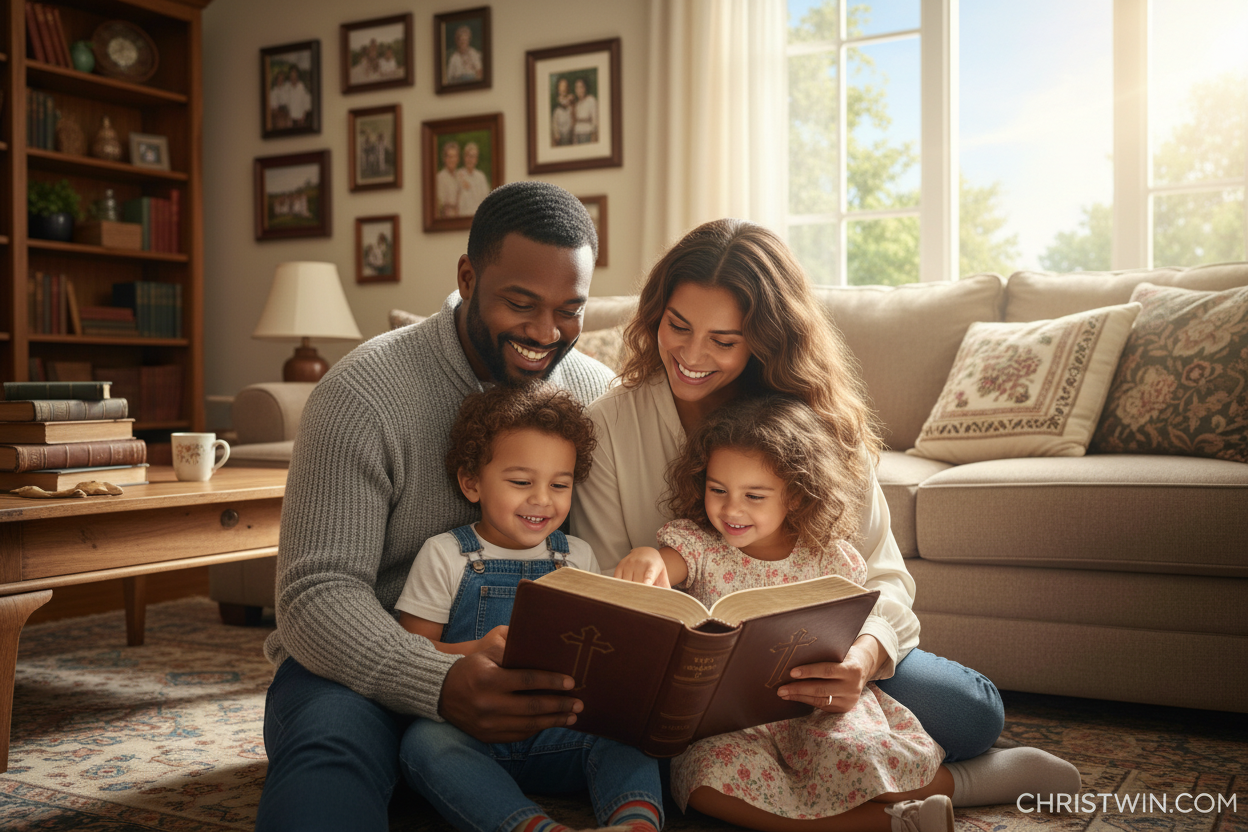
The idea of family is key in the Bible. It’s important in both our lives and our beliefs. From the start, in Genesis 1:28, God wanted us to have lots of children. This shows how vital families are.
Living in a family can be hard. You might ask how to follow God’s teachings at home. The Bible teaches us that family is more than just people living together. It’s about loving, supporting, and following God together.
To learn more, check out this resource. It talks about what family means in the Bible and how it affects our lives every day.
The Biblical Foundation of Family
Exploring the biblical definition of family shows it’s tied to God’s creation story. The Bible clearly shows what family is meant to be. It’s based on God’s creation.
The story of creation in Genesis explains family in the Bible. It says God made humans, both men and women, in His image (Genesis 1:27). This shows the start of the family unit.
Creation Account and the First Family
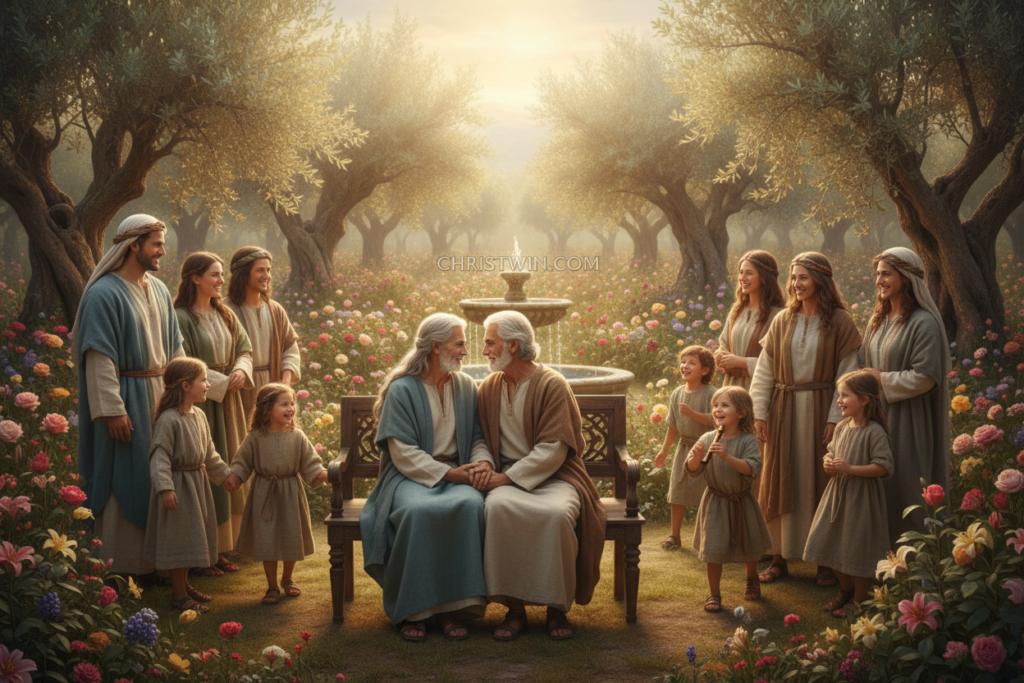
The Genesis creation story tells us about family’s origin. God made Adam and Eve, the first humans. They were the first family, showing God’s love and support.
In Genesis 2:24, it says a man and his wife become one. This shows God’s plan for family, the core of our structure.
Family as a Divine Institution
The Bible sees family as a divine plan, made by God. The first family in Eden shows family’s importance. It tells us about family roles and duties in the Bible.
Looking at family’s biblical roots helps us understand God’s plan. It guides us in creating strong, loving families. These families show God’s love to the world.
What is a Family According to God in the Bible?
Exploring the Bible’s view on family shows us a wide range of relationships. It’s not just about immediate family. It’s about a bigger community, showing God’s plan for how we connect with each other.

Core Biblical Definition of Family
The Bible starts with God creating humans, male and female. This is the start of family through marriage and parent-child bonds. It’s about love, commitment, and helping each other.
The Bible also talks about a household. This includes family, servants, and guests. It shows us the value of community and welcoming others.
The Hebrew Concept of “Mishpachah”
“Mishpachah” means a big family or clan. It goes beyond just immediate family to include relatives and those connected by blood or promise. This idea shows us the importance of community and being connected.
In the Bible, “mishpachah” was key in society. It gave members protection, guidance, and a sense of belonging. Today, it reminds us to build strong, supportive communities that follow God’s plan for family.
God’s Original Design for Family
Exploring God’s design for family shows us how to live in harmony. The Bible teaches us about family, showing God’s plan for us. It’s all about living together in a God-centered way.

The Purpose of Marriage in God’s Plan
Marriage is at the core of God’s family plan. The Bible tells us God made marriage for a man and a woman. It shows the love and commitment between Christ and His church.
Marriage has many important roles: It starts a family, brings companionship, and supports each other. It also helps raise children in a loving home. By following these roles, families can honor God.
Procreation and Stewardship
God’s plan also includes procreation and taking care of our families. The Bible says children are a blessing. Parents must teach them about God’s ways.
Being good stewards means: Teaching kids about faith, living it ourselves, and making our homes loving. This way, kids grow up with a strong faith to guide them.
In summary, God’s plan for family is based on the Bible’s wisdom. Understanding marriage and our roles as parents helps us build homes filled with God’s love.
Family Roles in Scripture
The Bible shows us how to live in family harmony. It gives us a blueprint for a loving home. Knowing our roles is key to a strong, God-focused family.
Husbands and Fathers
Husbands and fathers have important jobs. In Ephesians 5:25, we learn husbands should love their wives like Christ loves the church. This means putting your spouse first and making sacrifices for them.
As a father, you’re more than just a breadwinner. You’re a spiritual leader, guiding your kids in faith and showing them what’s right.
Being a good husband and father takes commitment, patience, and love. It means being involved, listening, and being there for your family. Your role is vital in building your family’s spiritual base.
Wives and Mothers
The Bible guides wives and mothers in caring for their families. In Titus 2:4-5, we’re told to be reverent, loving, and self-controlled. As a wife, you support your husband and help make your home welcoming.
As a mother, you’re more than a caregiver. You’re a nurturer of faith. You teach your kids about God’s love and instill values in them. Your influence shapes their spiritual path and helps them know God.
Children and Their Responsibilities
The Bible teaches kids their place in the family. In Ephesians 6:1-3, kids are told to obey their parents. This means respecting and following their guidance.
As kids grow, they can help more around the house. They learn important life skills. By doing their part, kids help make the family environment better.
Knowing your role in the family is key to a strong, God-centered home. By following biblical teachings, you can build a loving, respectful, and spiritually rich home.
Biblical Examples of Family Structures
The Bible shows many family types that follow God’s plan. These examples help us understand how families should work together. They show us how to live in harmony with God’s teachings.
Patriarchal Families in the Old Testament
In the Old Testament, families were led by the father. Men like Abraham, Isaac, and Jacob were leaders. They made important decisions for their families.
Abraham’s family is a great example. They showed faith and faced many challenges. Their story teaches us about trust and faith in family life.
New Testament Family Models
The New Testament changed how families worked. The church became like a big family. Believers saw each other as brothers and sisters in Christ.
The household of Lydia in Philippi is a New Testament example. Lydia welcomed Paul and other believers into her home. This shows how the church became a family to everyone.
These examples from the Bible teach us about God’s design for family. They show us the value of faith, leadership, and community. These are key to a family that honors God.
Jesus’ Teachings on Family
Jesus talked about family in a special way. He respected its old ways but also made it bigger. This showed how important family is and its spiritual side.
Affirming Traditional Family Values
Jesus often talked about family in His teachings. He showed how important the family unit is. He talked about love, care, and commitment in families.
He also taught to honor one’s parents. This shows respect and care in families.
At a wedding in Cana, Jesus did His first miracle. This shows He supports marriage and family. It shows He cares for families’ well-being.
Expanding the Concept of Family
Jesus also made family bigger to include spiritual ties. He said following God makes you part of His family. This makes family more than just blood ties.
Jesus said, “Whoever does the will of God is my brother and sister and mother” (Mark 3:35). This means spiritual bonds are as strong as family ties. It makes believers see each other as family, united by faith.
Jesus’ teachings on family are deep. They balance keeping family values and welcoming a spiritual family. Think about how to live these teachings in your life. Nurture your family and spiritual ties.
The Family as a Reflection of God’s Relationship with Humanity
In the Bible, families show God’s love for us. This idea helps us see how God and His people connect.
Looking into this, we see families mirror God’s nature. They show God’s love and how He wants to be with us. This is seen in two main ways: God as Father and the church as family.
God as Father
The Bible often calls God a loving Father. He wants a close bond with His children. This idea is in both the Old and New Testaments.
The fatherhood of God shows His love and care for us. As a Father, God is kind, forgiving, and patient. These traits are key for a good family.
The Church as Family
The New Testament calls the church God’s family. Believers are seen as brothers and sisters in Christ. They are united by their faith.
This familial bond is spiritual, not just physical. The church is meant to show love and support, just like a family. This reflects God’s love for us.
By seeing God’s love through families and the church, we grow to appreciate His care. It helps us understand His love better.
Biblical Principles for Healthy Family Relationships
The Bible teaches us how to have strong family ties. It talks about love, respect, and forgiveness. Using these teachings can make your home a happier place.
Love and Sacrifice
At the heart of biblical teachings on family is love and sacrifice. Jesus said love is the most important thing. This is true for family too.
You should love your family without expecting anything in return. This means putting their needs first. For example, parents might give up their own time to help their kids.
Showing love can be simple. Just be there for your family, listen to them, and help when you can. These actions make your family stronger and more loving.
Honor and Respect
Honor and respect are key for a healthy family. The Bible tells kids to honor their parents. This builds trust and understanding.
Parents should respect their kids too. They should see and value their children’s unique qualities. In marriages, respect is just as important. Husbands and wives should work together as equals.
Forgiveness and Grace
Every family faces disagreements, but family relationships in the bible focus on forgiveness. The Bible says forgiving is vital for healthy relationships. When problems come up, forgive like God forgives you.
Being patient and understanding is what grace is all about. It means accepting your family, even when they make mistakes. This makes your home a safe and loving place for everyone.
By following these biblical teachings, your family can grow closer. Love, respect, and forgiveness can make your home a place of joy and strength.
Challenges to the Biblical Family Model
In today’s world, the biblical family model faces many challenges. These come from cultural and societal changes. It’s key to keep a God-centered family in modern life.
Cultural Shifts and Societal Changes
The world is changing fast. These changes affect family structures and values. Secularism and moral relativism challenge traditional Christian views on marriage and family.
You might wonder how to keep your faith in a secular world. The rise of individualism and seeking personal fulfillment can ignore family duties. Remember, your faith is about living well with others, including family.
Reconciling Biblical Teaching with Contemporary Issues
As Christians, we must deal with today’s issues while staying true to the Bible. This means understanding how to use biblical teachings for today’s family problems. For example, debates on gender identity and marriage equality need a biblical view.
To mix biblical teachings with today’s issues, you need to know the Bible well. Stay updated on society and seek biblical advice. This way, you can handle family issues while staying true to your faith.
By facing challenges and sticking to biblical values, you can create a strong family. This family will show God’s love and grace.
Applying Biblical Family Principles Today
By following biblical teachings, you can make your family more loving and supportive. This means understanding and using god’s design for family every day.
First, build a strong base with biblical principles. This means putting family values first. Create a place where love, respect, and faith grow.
Practical Steps for Building a God-Centered Family
Creating a God-centered family takes effort and commitment. Here are some steps to help you:
- Start each day with prayer and Bible reading.
- Talk openly and honestly with your family.
- Show love and forgiveness, like the Bible teaches.
For more tips on building a strong family, check out resources on principles of marriage in the Bible. They offer great advice on a healthy, God-centered relationship.
Teaching Biblical Values to Children
Teaching biblical values to kids is key for their spiritual growth. Here’s how:
- Live out biblical values every day.
- Talk about biblical stories and how they apply.
- Encourage kids to ask questions and seek scripture guidance.
By teaching these values, you help your kids develop a strong moral compass. They’ll understand the biblical definition of family better.
Creating a Legacy of Faith
Building a legacy of faith in your family means passing down biblical values and traditions. Here’s how:
- Create family traditions that honor biblical teachings.
- Share stories of faith and perseverance.
- Support family members on their spiritual journeys.
By following these steps, you can leave a lasting legacy. It shows your commitment to god’s design for family. It also helps your loved ones grow in faith.
Conclusion
What is a family according to God in the Bible? It’s clear that families are special to God. They show God’s love for us.
By following biblical teachings, you can help your family grow strong. Love, sacrifice, and respect are key. These actions leave a lasting faith legacy for your family.
The Bible teaches us how to have great family relationships. It shows us how to build strong bonds. This wisdom helps us live our faith every day.
Using these timeless teachings, you can connect more with your family and God. This creates a loving and spiritual home for everyone.
