

Everyone has a right to their own opinion, but not to their own facts. That line from Ricky Gervais sets the stage. In daily life, people meet many distortions and half-truths. Can you spot when a story is built to mislead?
This short guide focuses on clear, verifiable facts and observable behavior. It shows practical ways to recognize patterns rather than treating each incident as unique. A liar may mix methods, so organized awareness helps others stay grounded.
Deception often grows where one person holds power over information, timing, or context. We will point to real examples, like secret bank accounts and public moralizing that mask private misconduct.
This list is informational, not cynical. It aims to give people tools to test the truth, protect their judgment, and respond calmly at home, at work, and online.
Why people lie and deceive in the present day
Today, many people bend facts to shape how others see them. That shift often serves clear goals: protect status, avoid blame, or gain an edge.
Deceit has a definition: a lie occurs when one person intends to mislead another without warning. This intent separates error from a purposeful act.
Motives vary. Some use falsehoods to cover tracks, create an illusion, distract, or win sympathy. A few find the role of a liar thrilling and may also treat deception like a game.
- Two main ways people mislead: concealment (withholding facts) and falsification (presenting false details).
- Power plays matter: controlling what others see, when they see it, and the way they see it shifts leverage.
- Rationalizations happen — “to spare feelings” — but withholding facts still harms choices.
- When jobs, money, or relationships are at stake, the temptation grows and scrutiny should increase.
Map motives to methods next to link why someone misleads with how they do it. Watch how a person manages access to facts; that reveals strategy and impact in life.
Types of Lying And Deception
Behind most untruths lies a handful of tactics that repeat across relationships, workplaces, and media. Here are clear, named methods you can watch for so a claim becomes a set of behaviors to check, not a mystery.

Concealment
Concealment is withholding decisive information to steer a decision while avoiding a direct false statement. A person may claim forgetfulness to advance a cover without inventing new facts.
Falsification
Falsification inserts invented fact claims into a story. Many liars switch between concealment and falsification to keep a narrative coherent when pressure mounts.
Gaslighting and denial
Gaslighting denies observable truth, reframes clear events as confusion, or insists memory is unreliable. This pattern shifts doubt onto the other person.
Half-truths, scale, and diversion
Half-truths place accurate fragments in an order that nudges a wrong conclusion. Minimizing, exaggerating, diversion, and burying the lead all steer attention away from the central fact.
Cover stories
Finally, cover stories and persona-building create a ready-made role that makes future claims seem plausible. Map these types to specific behavior and you turn vague suspicion into evidence-based concern.
How to spot deception: behaviors, words, and emotional leakage
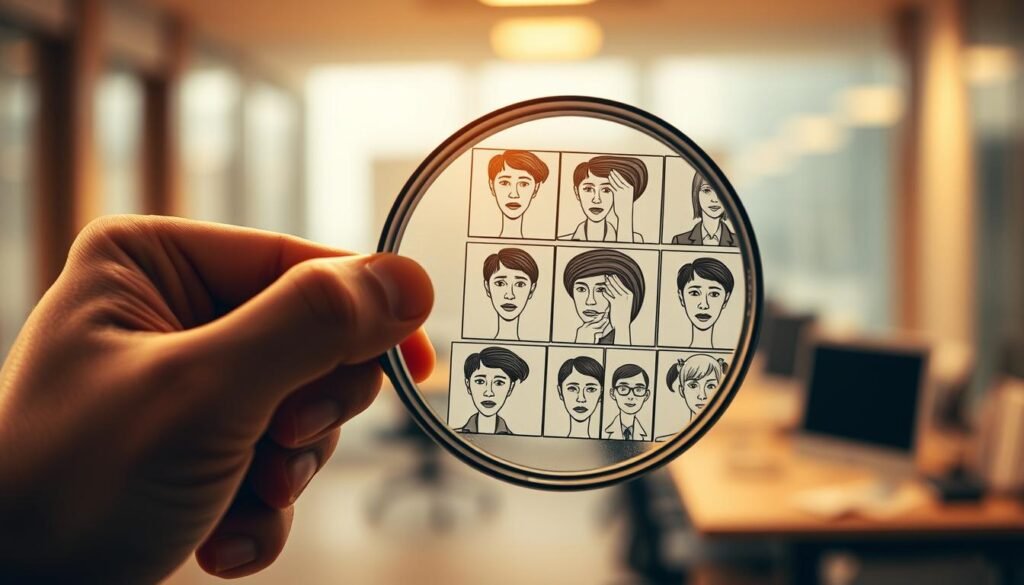
Detecting untruths often depends on tuning in to brief, repeatable signs people give off under pressure. Watch actions, speech, and tiny facial flashes together—one cue alone rarely proves a lie.
Behavioral tells
Diversion is common: someone may shift topics when a sensitive matter appears. A shifting account over time or claims of selective memory that conveniently omit decisive facts are also red flags.
Verbal patterns
Listen for overprotesting—repeated “I would never…” statements that try to drown out questions. Vague timelines, skipped intervals, and qualified phrases like “to the best of my recollection” in unlikely circumstances are ways liars keep facts unverifiable.
Emotional cues
Micro expressions leak real feeling when suppression fails. A flash of fear or contempt at the exact moment calm is asserted can reveal concealed emotion. Distinguish normal nerves from affect that contradicts the stated truth.
- Compare versions across time to see if details change to protect the speaker.
- Note how information is shared—burying a key admission among trivialities may target avoidance.
- Cross-check records or neutral sources to replace doubt with objective information.
The impact of lies on relationships, power dynamics, and everyday life
When truth is withheld, ordinary choices become risky and relationships suffer. Repeated deception replaces open exchange with controlled information, and power slowly shifts toward the deceiving person.
Financial secrecy is a clear, practical example. A spouse who moves money into an unknown bank account can hide assets until discovery by forensic accounting during divorce.
How secrecy reshapes daily life
Omission and denial create emotional loss. Partners may question what was real and lose the basic sense of safety at home.
Liars may also isolate others by manipulating stories. That damages reputations and support networks outside the relationship.
- Higher costs to verify facts: routines like scheduling and bills need extra checks.
- Economic risk: hidden account details or secret money can stall caregiving and payments.
- Social fallout: confident falsehoods can mislead others until objective facts surface.
“Denial and omission can make someone doubt their memory.”
Protective steps include documenting key interactions and keeping independent access to statements and contracts. Restoring trust means bringing facts back into the conversation and setting boundaries when information asymmetry persists.
Protect yourself: practical ways to respond to liars without losing your truth
Protecting your position begins with organizing what you know and when you learned it. Start small: write down dates, sources, and what you witnessed so you can keep telling truth as new details appear.
Clarify facts and timelines before debating. Ask calm, specific questions about dates, times, locations, and documents. Tightening the timeline often separates facts from a story that relies on vagueness.
Set boundaries and document in real time
Require verifiable information for decisions that affect you. Say, “I will proceed once I see the statement,” and log requests and responses in chronological order.
Assess intent, risk, and when to seek help
Recognize selective memory as a common move. If a person claims forgetfulness for key details, decide whether to pause, verify, or disengage. Match your response to the level of risk.
- Limit in-the-moment debates; get claims in writing for later comparison.
- Use short, neutral questions to invite information, not fights.
- For financial or safety problems, consult experts like accountants, attorneys, or therapists.
“Your aim is clarity and safety, not winning an argument.”
Keyword-focused recap: facts over stories, truth over tricks
A reliable frame: spot the method, then test the claim against evidence.
Start by naming the main methods you saw: concealment, falsification, gaslighting, half-truths, diversion, minimizing or exaggerating, and cover stories. Noting which methods repeat turns suspicion into a clear pattern.
Put facts first. Check claims against records, timelines, and independent sources instead of accepting any single thing at face value.
Keep telling truth in your own words. Refuse pressure to accept conclusions that arrive without supporting details. Maintain a short list of what is confirmed and what remains unproven.
- Use small, repeated checks — dates, documents, and third-party confirmations.
- Watch for inconsistencies over time; patterns reveal which methods repeat.
- Adopt a default pause when truth is unclear: don’t commit resources or reputation until claims align with facts.
“Emotional leakage and odd reactions are early clues that merit more verification.”
Be practical and kind to yourself and others targeted by false claims. Slow down, verify, document, and proceed only when the record supports your conclusion.
Conclusion
Seeing how common tactics repeat helps you turn a messy story into clear steps you can follow.
Recognize the core types and you map how deception works in daily life. A person who intends to mislead usually starts with concealment and then adds falsification when pressed. That sequence explains why accounts change over time.
Treat early sign clusters—diversion, selective memory, timeline gaps—as reasons to pause. Slow down decisions and put verification in order before you advance.
Real stakes matter: hidden money and secret account activity can cost relationships at home. In many circumstances, trusted friends and experts help a target restore perspective and limit loss.
Document facts, check records, and refuse artificial deadlines. Pause, verify, and act in order to protect your judgment and your life.
