 Benedict Harper
Curious how a single name can reshape prayer and trust? This ultimate guide walks through twelve ancient titles that reveal character, purpose, and presence. Each entry pairs Scripture with clear definitions and practical ways to pray.
We begin with name studies like Elohim the Creator and Jehovah-Jireh the provider. Short, study-friendly sections include references, a plain definition, and application for daily life in the United States.
This guide treats each name as more than a label. It shows how words shape worship, how a single word can steady faith, and why careful speech honors the Lord God and tradition.
Read with an open Bible and a teachable heart. You’ll get history, doctrine, and simple steps to pray these truths at home, in groups, or in teaching settings.
Why the Names of God Matter in an Ultimate Guide
Learning biblical titles reshapes how we talk with God. These names are not just labels; they reveal character and invite trust. This guide helps you see each name clearly, in context, and in daily practice.
User intent: clear meaning, biblical context, and real-life use
Readers want practical help. They seek a plain definition, a Scripture reference, and ways to pray or act. Each entry meets that need so study becomes useful for everyday life.
How this guide is organized for study, prayer, and real-life times
Sections include a short definition, key verses, historical context, and prayer prompts. That layout fits solo study, family devotions, and small groups.
- Quick reference: fast facts for busy schedules.
- Deeper reflection: short prompts for journaling or group discussion.
- Application: simple steps to use the name in real decisions and prayers.
Stories from Scripture—Abraham, Moses, Gideon—show how these titles guided people in hard times. Try writing one short prayer for a chosen name each day to build a steady habit of honest, reverent speech.
Understanding God’s Name in Scripture: Elohim, YHWH, and Reverence
This section explains how Scripture uses distinct titles to reveal God’s power, promise, and presence. The old testament often switches names to teach different truths. That choice shapes worship, theology, and how we pray.
Elohim in Genesis 1:1 — Creator and God Almighty
Elohim appears at the start of Scripture to show the One who spoke the world into being. As God Almighty, Elohim rules over nature, the earth, and the heavens.
Creation language reminds us that the world exists by his word and that his power sustains all things.
The Tetragrammaton YHWH — Covenant Name and Reverence
YHWH (Exodus 3:13–15) is the covenant Lord who reveals himself to Israel. Jewish practice treats this name with care, often using HaShem, which means “The Name.”
Respectful language protects the sacred use of the god name and aligns our speech with Scripture’s honor for covenant truth.
Jehovah/Yahweh Compounds — Character in Action
The old testament builds compound titles that pair YHWH with acts or attributes. These compounds show specific ways God acts—provision, healing, guidance—and teach theology through language.
- Note which name appears in a verse.
- Reflect on why that name fits the situation.
- Use those insights to shape prayer and trust.
Elohim — God of Power and Creation (Genesis 1:1)
The opening verse of Scripture declares a Creator whose strength shapes every sunrise. Elohim means God—mighty and sovereign over all nature, the world, and the heavens. Genesis 1:1 says, “In the beginning God created the heavens and the earth,” stating the name of the One who brings order from chaos.
Meaning & Scripture: This title introduces God as the strong Creator at the very start of the old testament. It names his role as Artist and Sustainer of reality.
Implications: Elohim’s creative power shows up each day in seasons, sky, and soil. Knowing this name brings confidence when life feels uncertain.
- See creation as an invitation to worship and trust the One who holds the earth and our times.
- Use Genesis 1:1 each morning to remember who governs every season and every day.
- Journal moments when nature’s order or beauty drew you closer to God’s sustaining care.
Jehovah — The Covenant Lord, Abba-Father (Genesis 2:7)
Genesis 2:7 shows the Lord personally forming humanity and breathing life into us. That act reveals a covenant maker who is close, not distant. The picture invites trust and warm relationship.
Abba conveys intimacy — like “Daddy” or “Father” — and it shapes how we pray. Calling God by this most tender name changes our speech from duty to relationship.
- Covenant breath: Jehovah breathes life, showing closeness and protection across time.
- Prayer pattern: Address the Lord as Father, state trust, then ask for daily guidance.
- Healing identity: Knowing him as Abba helps heal wounds and build resilience.
Contrast this with views of a distant deity. Scripture paints a Lord who draws his people near. Abraham and others experienced God as One who promises and cares.
Replace fear-based words with faith-based speech. Remember: calling God “Abba” reflects relationship rooted in covenant love, not presumption.
El Shaddai — God Almighty, More Than Enough (Genesis 17:1)
The title El Shaddai frames God’s care as more than provision—it is complete sufficiency.
El Shaddai means the All-Sufficient One, the god almighty who fills every lack. In Genesis 17:1 God told Abram, “I am El Shaddai—walk before me and be blameless.” That call links promise and power to faithful living.
Psalm 91:14–16 echoes this promise: deliverance, presence in trouble, honor, long life, and salvation come to those who love and know his name. Those verses show how God’s word backs his offers with action.
Promise and power
Walking blameless before the high god means trusting divine sufficiency rather than frantic striving. This trust frees believers to obey from grace, not from pressure.
Prayer focus
Use El Shaddai when you need strength across the years. Try this simple prayer:
- Practical prayer: “El Shaddai, strengthen me to walk blameless today; be my sufficiency in weakness.”
- Memorize Genesis 17:1 to realign expectations with God Almighty’s leading.
- Remember: “more than enough” points to character, not consumer desire—he meets true needs.
Count testimonies of sustained faith as echoes of his promise. Let knowing this name shape resilience, patience, and long-term faithfulness.
Adonai — My Lord and Master (Genesis 18:3)
When Abraham calls the stranger “my lord,” he models a response that blends humility with bold prayer. That single address—Adonai—signals surrender and invites partnership with God’s will.
Adonai means Master, the One we follow with willing hearts. In Genesis 18:3 Abraham uses this name and then listens as God reveals plans about Sodom and Gomorrah. His posture led to intercession and deeper revelation.
Lordship and guidance: partnership with God’s will
Recognizing God’s lordship aligns our plans across time and through the years. Partnership with Adonai asks us to listen, obey, and intercede for community.
- Pause before decisions and say, “Adonai, what would You have me do?”
- Practice brief daily submission: invite the Master into one choice each morning.
- Make intercession a habit—surrender often produces courageous, compassionate action.
True lordship brings humility, not fear. Let Adonai shape your steps today by naming him before you act and by asking for guidance in small things. Identify one area where you can submit to the Master this week and pray for the courage to follow.
Jehovah-Jireh — The Lord Will Provide (Genesis 22:8, 13–14)
At Mount Moriah, a father’s obedience met God’s timely provision in a scene that still teaches faith today.
Abraham prepared an altar and raised his heart in trust. God stopped the sacrifice and provided a ram caught in a thicket. Abraham then named that place “The-Lord-Will-Provide,” marking a moment where faith met provision.
Mount Moriah: provision, faith, and the foreshadowing of Christ
That mountain scene points forward to sacrifice and rescue. Hebrews 11:17–19 notes Abraham’s faith—he believed God could raise the one son of promise if needed. Jehovah Jireh shows provision that includes sacrifice, timing, and ultimate hope.
When to pray this name: times of need, crisis, and provision
Pray jehovah jireh in financial strain, emergencies, or when you face a hard decision. Ask for God’s wisdom, community help, and unexpected resources. List needs before him, then watch for doors he opens in his time.
- Remember provision often arrives while we obey, not on our schedule.
- Dedicate answered prayers as memorials to recall God’s faithfulness.
- Practice gratitude so past supply fuels future trust.
Faith step: write one need, pray the name aloud, and track every small door God opens. Provision is received by faith; possession follows the promise when we trust his words.
Jehovah-Rapha — The Lord Who Heals (Exodus 15:26)
When Moses threw a tree into bitter waters at Marah, the spring became sweet. In that moment God declared, “I am the Lord who heals you” (Exodus 15:26), giving Israel a covenant promise that healing belongs to his character.
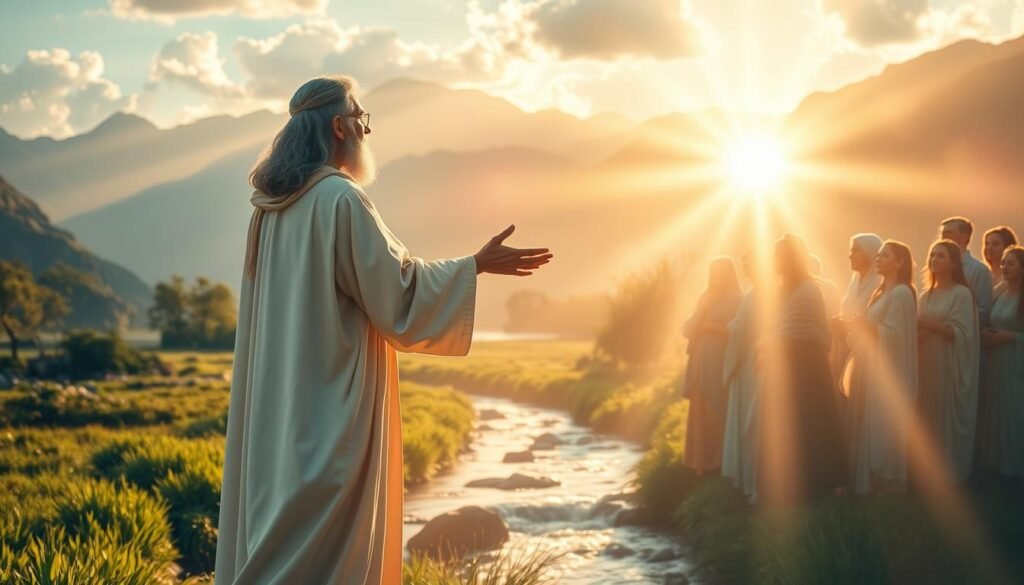
Healing as covenant promise: from bitter waters to wholeness
That story shows healing moves beyond quick fixes. God heals bodies, relationships, and souls by his power and wise will. Sometimes healing comes as a miracle. Other times it comes through medicine, care, and community support.
Ultimate hope: by His stripes and the promise of restoration
Isaiah 53:5 ties the cross to our deepest repair: by his wounds we are healed. Believers hold both present comfort and future hope—resurrection wholeness awaits. In hard seasons, praying the name Jehovah-Rapha brings patience, trust, and the right balance: pray boldly, submit humbly, and seek help.
- Recount Marah: bitter to sweet as a sign of God’s covenant care.
- Pray this name over the sick, the weary, and those who wait for healing across the years.
- Practical steps: anointing with oil, community intercession, and Scripture meditation on God’s word.
Remember: Jehovah-Rapha’s heart is restoration. He brings sweetness from bitter seasons and stays with people through each step of the journey.
Jehovah-Nissi — The Lord My Banner (Exodus 17:15)
Amid clashing spears and faltering strength, Israel learned that community and prayer secure victory.
When Moses lifted his hands, Israel gained the edge. Aaron and Hur steadied him until sunset. Joshua then routed Amalek, and Moses built an altar naming it Jehovah-Nissi—the name that marks God as their rallying point (Exodus 17:14–15).
Victory, intercession, and the banner’s meaning
The word banner here means identity and presence. It served as a visible sign that the lord fought for Israel. The pattern is clear: prayer lifted, strength waned, community held up hands, and victory followed.
- See modern “Amalekites” as fear, persistent sin, or spiritual opposition.
- Raise hands in prayer and gather partners to carry burdens over the years.
- Start a prayer team, set weekly times, and celebrate answered victories with a small memorial or verse card.
Remember: victory belongs to God. Under this banner, our role is faithful intercession and obedient action. Keep a visible reminder of jehovah nissi to call the community back to hope.
Jehovah-M’Kaddesh — The Lord Who Sanctifies (Leviticus 20:7–8)
Leviticus frames holiness as a daily practice where God shapes our motives and conduct. The command, “Sanctify yourselves… I am the Lord who sanctifies you,” ties identity to action and to divine power.
What sanctification means: sanctification is God’s work that sets us apart. It reshapes desires and behavior so we can serve with integrity.
Holiness and righteousness: set apart for service
The old testament book of Leviticus centers on holiness in worship, daily life, and community. Jehovah-M’Kaddesh both calls and empowers us to be holy as He is holy.
- Define: God sets people apart to reflect Christlike character and righteousness.
- Invite: ask the lord sanctifies to examine motives and habits.
- Practice: confession, accountability, Scripture intake, and service help growth.
Holiness is relational—not a checklist but a response to the God who loves and indwells us. Choose one area each week to consecrate, ask God to align it with his words, and celebrate small steps as evidence of his work.
Jehovah-Shalom — The Lord Is Peace (Judges 6:24)
When terror met a holy messenger, God answered with a word that calmed Gideon’s heart. In chaotic days, Gideon—called a “mighty man of valor”—was afraid. The angel spoke, “Peace be with you,” and Gideon built an altar naming the place Jehovah-Shalom (Judges 6:24).
From fear to peace: Gideon’s altar and God’s presence
The story shows how God’s presence turns panic into courage. Shalom means wholeness: safety, rest, and right relationship. Gideon’s altar marked a moment when God’s nearness replaced dread with mission.
Peace beyond understanding: letting shalom guard hearts and minds
Use this name when anxiety rises: pray, bring requests, and receive God’s guarding presence. A simple breath prayer helps: “Jehovah-Shalom, guard my heart and mind right now.”
- List fears and meet each with Scripture and this name.
- Create a small memorial—journal entry or tiny altar—to recall God’s peace in trials.
- Invite community help: encouragement, prayer, and wise counsel strengthen trust.
Remember: true peace is not the absence of problems but the presence of the lord peace in the storm. Memorize Judges 6:24 as a quick anchor when panic surfaces and let shalom steady your steps toward faithful obedience.
Jehovah-Tsidkenu — The Lord Our Righteousness (Jeremiah 23:5–6)
Jeremiah paints a future king whose rule will restore justice and change our standing before God. The prophet names this promise plainly: “THE LORD OUR RIGHTEOUSNESS” (Jeremiah 23:5–6). That title ties the coming Branch to both royal rule and moral renewal in the old testament.
Messiah and righteousness: Christ fulfills this promise. 2 Corinthians 5:21 shows the swap—He who knew no sin became sin for us so we might carry God’s righteousness in him.

Living the promise
Receive this name by faith, not by effort. Reject self-righteous pride and rest in the gift that sets guilty consciences free.
- Pray for justice and integrity in personal life and public witness.
- Confess aloud when shame rises: “Lord, You are my righteousness.”
- Meditate on Jeremiah 23:5–6 to reshape identity across the years.
When culture declines, this title stabilizes hope. Real righteousness leads to ethical action: truth-telling, fairness, and compassion. Hold fast—God’s righteous reign will fuel endurance and joy.
Jehovah-Rohi — The Lord My Shepherd (Psalm 23)
Psalm 23 gives a single, steady claim: the Lord cares for his flock with daily attentiveness. The image shows a guide who provides, leads, restores, and keeps us safe through each season.
Shepherd care: voice, guidance, provision, and protection
Unpack Psalm 23: the shepherd feeds in green pastures, leads to still waters, and walks the paths of righteousness. Jesus echoes this when he says sheep know their shepherd’s voice (John 10:27).
Lessons from the flock: hunger, “bugs,” and goats in spiritual life
Sheep grow restless from hunger and suffer without anointing. Spiritually, hunger points to the Word. Anointing oil represents the Holy Spirit guarding minds from small harassments and confusion.
Daily comfort: goodness and mercy all the days of your life
Fear of valleys meets the rod and staff—comfort that corrects and protects. Tune to the shepherd’s voice through Scripture, prayer, and simple obedience.
- Practical rhythms: study (green pastures), prayer (still waters), obedience (paths of righteousness).
- Declare the name in anxious moments: “Lord, my Shepherd, lead me now.”
- Flock life matters—mutual care, accountability, and simple weekly check-ins strengthen people across the years.
Jehovah-Shammah — The Lord Is There (Ezekiel 48:35)
Ezekiel closes his vision with a city whose very title promises God’s steady presence among his people. In the final chapter of the book, the restored city is called Jehovah-Shammah, a name that declares: the Lord is there.
God’s abiding presence after exile
Exiled Jews in Babylon faced judgment, loss, and deep sorrow across long years. Ezekiel’s prophecy points to restoration—God returning to dwell with his people (Ezekiel 48:35).
Why a place named for presence matters
A city called “The Lord is there” turns despair into hope. Naming a place this way marks God’s nearness as stable, public, and life-changing.
Practical ways to live with that promise
- Practice short breath prayers: “Lord, You are here.”
- Post Scripture cards around your home as quiet reminders of God’s presence.
- Use the name when facing loneliness, grief, or transition—God arrives before you do.
Keep Ezekiel’s closing vision close to heart. Its message spans the years and steadies work, worship, and relationships by reminding us that God truly inhabits our places and our days.
Praying the Names of God: Bringing Scripture into Everyday Life
When we speak biblical names in prayer, we shape our hearts to match God’s character. Addressing the Lord by his titles fosters reverence and helps prayer align with Scripture’s story. Altars named for acts—like Jehovah-Jireh, Jehovah-Nissi, and Jehovah-Shalom—show how words mark encounters and commitments.
From altar to altar: building a life of prayer with God’s names
Practical rhythm: pick one name each week, read its passage, then pray that title at set times.
Create simple “altars”—journal entries, index cards, or small objects—that remind you of answered prayer under a given name. Record dates and outcomes to build trust over time.
Language and reverence: addressing the Lord with wisdom and honor
Careful language matters. Use Scripture’s words when you lack vocabulary—borrowing biblical phrases steadies faith in hard seasons.
- Call on a specific title that fits the need—Jireh for provision, Rapha for healing, Shalom for peace.
- Use short prayers aloud: “Adonai, lead me.” “El Shaddai, be my sufficiency.”
- Practice praying names in family or group settings to strengthen shared faith.
- When words fail, open Scripture and let the Bible name the Lord for you.
Final note: Reverence and intimacy go together—draw near boldly while speaking with honor. Make a habit of recording answered prayers under the name you used to grow a legacy of trust.
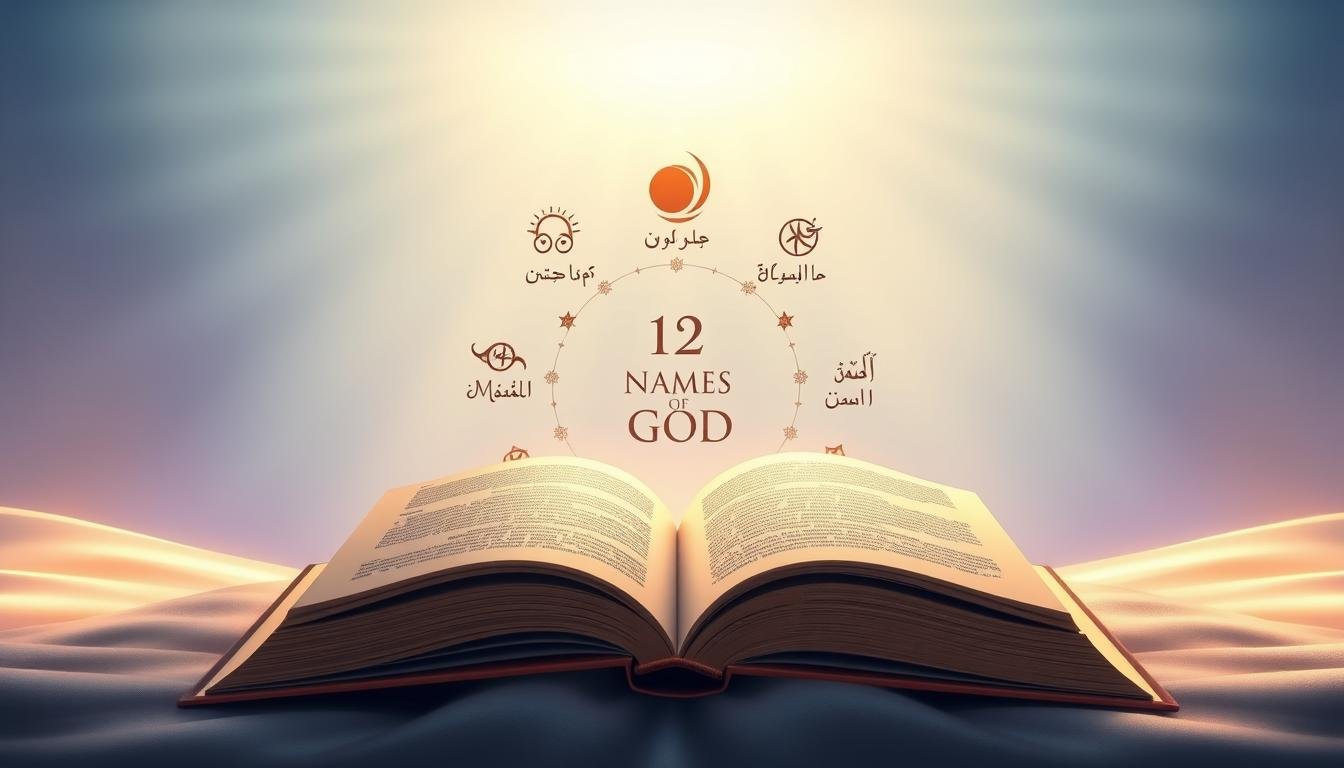
12 Names of God and what they mean
Use this compact summary to match each title to its scriptural home, a plain definition, and a simple way to pray or act today.
- Elohim — Genesis 1:1: Creator; worship when you watch sunrise or nature.
- Jehovah — Genesis 2:7: Covenant Lord; pray with intimacy as Father.
- El Shaddai — Genesis 17:1; Psalm 91:14–16: All-sufficient; ask for strength in long tests.
- Adonai — Genesis 18:3: Lord and Master; invite guidance before decisions.
- Jehovah-Jireh — Genesis 22:8,13–14: Provider; name needs and watch for provision.
- Jehovah-Rapha — Exodus 15:26: Healer; pray for bodies, souls, and restoration.
- Jehovah-Nissi — Exodus 17:15: Lord banner; gather prayer partners for victory.
- Jehovah-M’Kaddesh — Leviticus 20:7–8: Lord sanctifies; practice small acts of holiness.
- Jehovah-Shalom — Judges 6:24: Peace; use this title in anxious moments.
- Jehovah-Tsidkenu — Jeremiah 23:5–6: Lord righteousness; rest in the gift, not effort.
- Jehovah-Rohi — Psalm 23: Lord shepherd; follow his voice in daily choices.
- Jehovah-Shammah — Ezekiel 48:35: Presence; mark a place at home as a small altar of remembrance.
Themes across these titles
Peace, righteousness, shepherding, healing, victory, sanctification, provision, and presence recur across the old testament. These themes shape worship, prayer, and simple habits.
Practical tip: make a set of index cards—book, short meaning, one action—and review one card each morning. Mark a tiny altar or place at home with the title you need this season to train memory and steady prayer.
Conclusion
As we finish, remember how each biblical title opens a window into God’s character.
These titles invite personal knowing and steady trust. Practice one each week: read its passage, pray the name aloud, then watch how faith grows in small steps.
Faithfulness runs from creation to covenant, exile to restoration. Hold fast in seasons of waiting and trial; the Lord provides, heals, and leads across the years.
Please share this guide with someone who needs encouragement. Thank you for pursuing deeper reverence and relationship—may peace and righteousness shepherd your way forward.
FAQ
What does "Jehovah-Jireh" mean and where does it appear in Scripture?
How is "Elohim" different from the name represented by the Tetragrammaton?
What is the meaning of "Jehovah-Rapha" and when should I use it?
What does "El Shaddai" convey about God’s character?
Why is "Adonai" used instead of pronouncing the divine name?
What’s the significance of "Jehovah-Nissi" in Exodus 17:15?
How does "Jehovah-M’Kaddesh" shape Christian life and ethics?
What does "Jehovah-Shalom" teach about peace in troubled times?
Who is "Jehovah-Tsidkenu" and how does this name point to the Messiah?
What comfort does "Jehovah-Rohi" offer daily?
What does "Jehovah-Shammah" mean for believers and communities?
How can someone pray using these Old Testament names in a modern context?


 Benedict Harper