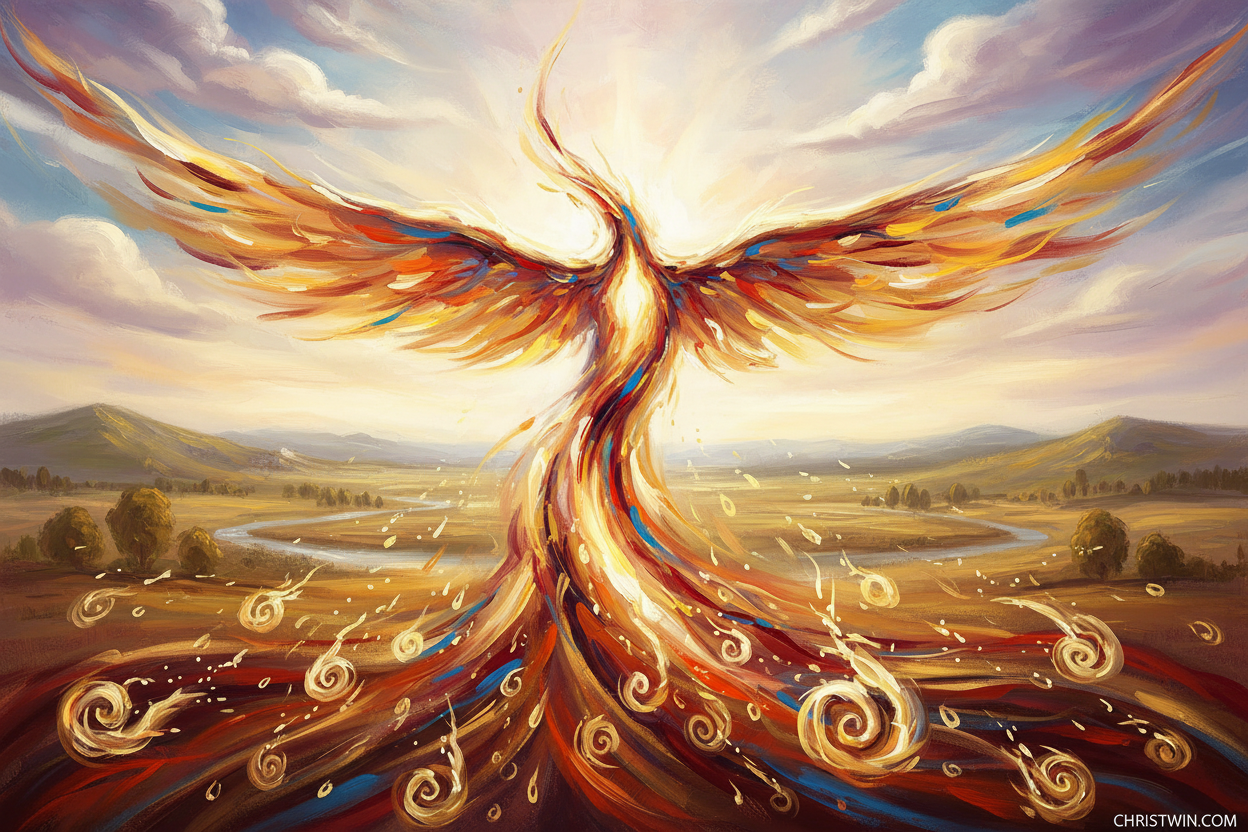
You might have heard “fire of the Holy Spirit” in church. But what does it really mean to feel this divine spark? It comes from the Bible, where God is called “a consuming fire” (Hebrews 12:29).
This symbol shows God’s power and presence in our lives. Learning about the holy spirit fire helps grow your faith. It guides you on your spiritual path.
Getting to know this idea can change your life. It makes your faith more meaningful and fulfilling.
The Biblical Foundation of Holy Spirit Fire
Exploring the biblical roots of Holy Spirit fire shows its deep meaning in Christian faith. The Bible links fire with God’s presence, judgment, and cleaning. This helps us understand the Holy Spirit’s role.

Key Scripture References to Fire and the Holy Spirit
The Bible talks a lot about fire and the Holy Spirit. In the Old Testament, God shows up in fire, like in the burning bush Moses saw (Exodus 3:2). The New Testament adds more, in Luke and Acts of the Apostles.
In Matthew 3:11, John the Baptist talks about Jesus baptizing with the Holy Spirit and fire. This baptism cleanses and empowers believers.
The Day of Pentecost: The First Outpouring
The Day of Pentecost was a key moment in Christian history. It was when the Holy Spirit first poured out. Acts 2:3 says tongues of fire came on the disciples, showing the Holy Spirit’s arrival. This gave the disciples the power to share the Gospel.
The story of Pentecost shows how important the Holy Spirit fire is. It’s a power that cleanses and empowers believers for service and sharing the faith.
What It Is The Fire Of The Holy Spirit?
As you explore your spiritual journey, the fire of the Holy Spirit is key. It comes from the Bible and is linked to the baptism of the Holy Spirit. It shows God’s presence, purification, and power in believers’ lives.
Defining the Spiritual Phenomenon
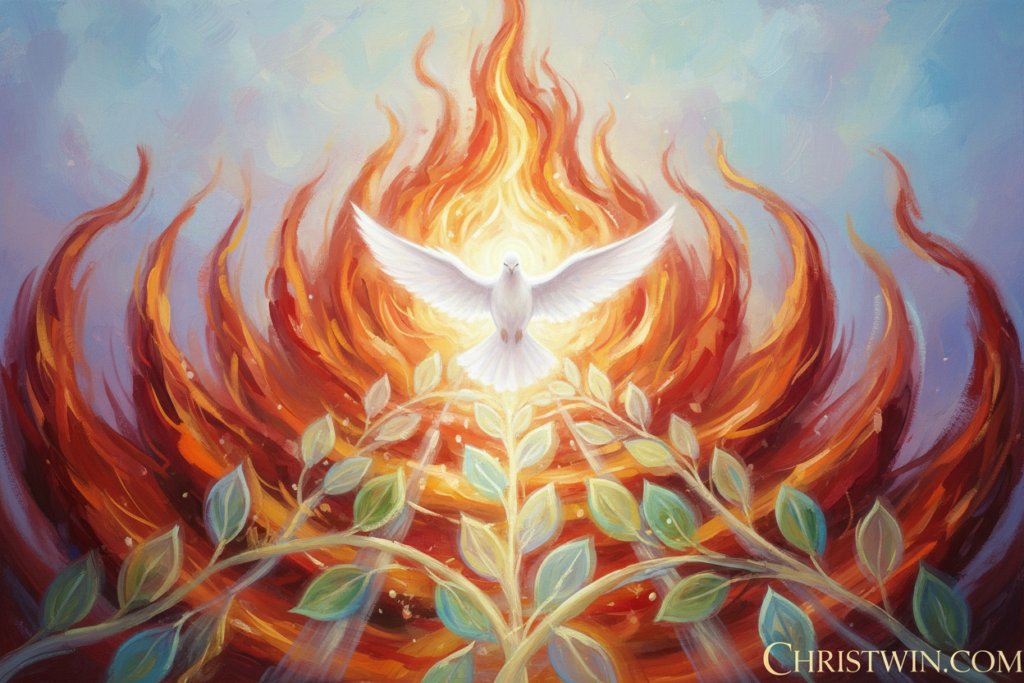
The fire of the Holy Spirit is a symbolic representation of God’s divine presence. It stands for purification, empowerment, and God’s truth. This idea is found in the Bible, like in the burning bush and at Pentecost.
Feeling the fire of the Holy Spirit is like a spiritual warmth or a strong feeling of God’s presence. It’s not just a feeling but a real spiritual change and renewal for believers.
Distinguishing from Other Spiritual Concepts
It’s important to know the fire of the Holy Spirit is different from other spiritual experiences. While it might seem similar, it’s uniquely tied to Christian beliefs and the experience of the Holy Spirit. This makes it special for understanding its role in believers’ lives and the church.
The fire of the Holy Spirit is more than just a figure of speech. It’s a real part of Christian faith. It shows the Holy Spirit’s active work in believers, giving them power, purifying their hearts, and guiding them in truth.
The Symbolic Nature of Holy Spirit Fire
Exploring the Holy Spirit fire shows its deep meaning. It cleanses, strengthens, and changes believers. This fire symbolizes God’s many ways of touching our lives.
Purification and Refinement
The Holy Spirit’s fire is about making things pure and better. Like fire makes metals shine by removing bad stuff, it cleanses us. This isn’t about destroying but changing us to be like Christ.
Power and Divine Presence
The fire also shows God’s strength and closeness. At Pentecost, it was like flames on heads, letting the disciples share the Gospel in many languages. This power helps believers share God’s message, showing the holy spirit power at work.
Transformation and Renewal
Also, the fire means change and new life. Through the Holy Spirit’s baptism, believers feel God’s presence deeply. This changes them, renewing their spirit, soul, and body. They then live in a way that honors God and shows His love.
The Holy Spirit’s fire reminds us of God’s active work in us. It’s a divine encounter that cleanses, strengthens, and changes us. It makes us like Christ, helping us share His love with the world.
Historical Understanding of Holy Spirit Fire
Exploring the Holy Spirit Fire shows us a rich history. It’s filled with deep thoughts and spiritual moments. This idea of the Holy Spirit as fire has shaped Christian beliefs and actions over time.
Early Church Perspectives
The early church saw the Holy Spirit Fire in a special way. It started at Pentecost, when flames appeared on the disciples. This was seen as a sign of God’s Spirit coming to them (Acts 2:3-4).
Church leaders like Origen and John Chrysostom saw the fire as a sign of purity and power. They believed it gave believers the strength to share their faith.
Views Throughout Christian History
Over time, how people saw the Holy Spirit Fire changed. The Reformation focused on personal salvation and the Bible’s importance. But the Pentecostal and Charismatic movements of the 20th century emphasized spiritual gifts and healing.
Contemporary Theological Interpretations
Today, the Holy Spirit Fire is seen in many ways. Some see it as God’s love changing lives. Others believe it’s a real sign of God’s presence in worship.
Views on the Holy Spirit Fire vary worldwide. Different cultures and Christian groups have their own experiences and beliefs about it.
The story of the Holy Spirit Fire is complex and rich. It’s shaped by deep thinking, spiritual experiences, and the Holy Spirit’s ongoing work in believers’ lives.
Manifestations of the Holy Spirit Fire
As you grow in faith, you might see the Holy Spirit’s fire in many ways. It touches your body, feelings, and spirit deeply.
Physical Sensations and Experiences
Many people feel physical things when the Holy Spirit is near. You might feel warmth, tingling, shaking, or more. These signs show God’s presence and power.
At Pentecost, the disciples felt a strong wind and saw tongues of fire. Today, believers might feel similar signs of the Holy Spirit’s presence.
Emotional and Psychological Effects
The Holy Spirit’s fire can deeply affect your feelings and mind. It brings peace, joy, and comfort. It can also make you feel convicted and want to change.
When you feel the Holy Spirit’s fire, your feelings and thoughts can change. You might feel more confident, kind, and strong when facing problems.
Spiritual Gifts and Abilities
One big way the Holy Spirit’s fire shows up is through spiritual gifts. These gifts, like prophecy and healing, help the church and share God’s message.
Being filled with the Holy Spirit might reveal gifts or abilities in you. These can help you serve others and spread God’s kingdom.
The Baptism of Fire: What It Means
As you grow in your faith, learning about the baptism of fire is key. It’s a deepening moment with the Holy Spirit. This idea comes from the Bible and means a big change for believers.
The baptism of fire is real. It can make your faith stronger and guide you spiritually.
John the Baptist’s Prophecy
John the Baptist said Jesus would baptize with fire and the Holy Spirit. This was a big change for early Christians. It was about being purified and empowered for their mission.
The prophecy was not just about a future event but a present reality. It’s about moving from living by ourselves to living by the Holy Spirit. The fire is God’s cleaning power.
Jesus’s Teaching on Spirit Baptism
Jesus talked more about the Holy Spirit in our lives. He said being filled by the Holy Spirit is ongoing. This means always being open to God’s work in us.
This teaching is about being cleansed and empowered by God. It’s a journey of growth and connection with God.
The Transformative Experience
The baptism of fire changes you deeply. It’s about being in God’s presence, where the Holy Spirit cleanses and empowers you. This isn’t just for the start of your faith journey.
It’s a journey that keeps happening. It helps you connect with God more deeply and be a better witness.
By embracing this baptism, you invite a life full of spiritual energy. The Holy Spirit will guide and empower you. This is a journey of faith, where the baptism of fire is real and shapes your relationship with God.
The Purpose of Holy Spirit Fire in Believers’ Lives
The Holy Spirit fire helps believers do great things. It makes them strong for ministry, helps them grow closer to God, and brings people together. This is key to living a life that shows God’s love.
Empowerment for Ministry and Witness
Page
You get power from the Holy Spirit to share Christ’s love. This power lets you help others, tell the good news, and live your faith. The Holy Spirit’s fire gives you the courage to share Christ’s love with the world.
Personal Sanctification and Growth
The Holy Spirit’s fire helps you grow closer to God. As you listen to the Spirit, you become more like Jesus. This means your mind, heart, and actions change for the better.
Key aspects of personal sanctification include:
- Renewal of the mind through the Word of God
- Cleansing of the heart through the Spirit’s purifying work
- Transformation of character to reflect Christ’s love and grace
Building the Body of Christ
The Holy Spirit fire also helps build the church. You are part of a group that loves and supports each other. The Spirit’s work in you lets you use your gifts to help everyone grow together.
The unity and diversity within the body of Christ are a powerful witness to the world, demonstrating the love and grace of Jesus Christ.
Receiving and Cultivating the Fire of the Holy Spirit
To truly experience God’s power, learning to receive and grow the Holy Spirit’s fire is key. This journey has several important parts. They help believers deepen their faith and live more Spirit-filled lives.
Preparation and Openness
The first step is to prepare and be open. This means making room for God in your life. It’s about repentance, humility, and wanting to follow God’s will.
Being open lets the Holy Spirit light a fire in you. This fire changes your heart and mind.
Prayer and Spiritual Disciplines
Prayer and spiritual practices are key to growing the Holy Spirit’s fire. Regular prayer keeps you close to God. Spiritual practices like fasting, meditation, and studying Scripture deepen your understanding and feeling for the Spirit.
These practices help the fire of the Holy Spirit shine brightly in your life.
Community and Corporate Worship
Being with other believers and joining in corporate worship is also important. When believers come together, they create a space for the Holy Spirit to work. Worship with others can help you feel God’s presence and fire.
By preparing personally, practicing spiritually, and worshipping together, you create a great space for the Holy Spirit. This approach ensures the fire of the Holy Spirit is a lasting, changing presence in your life.
Challenges and Misconceptions About Holy Spirit Fire
Exploring the Holy Spirit fire can be tricky. It’s a deep spiritual idea that people see differently. This has been true for a long time in Christianity.
Emotional Excess vs. Genuine Experience
It’s hard to tell real spiritual feelings from just strong emotions. It’s important to be careful when dealing with this. The Holy Spirit can show up in many ways, including strong feelings.
But, not every strong feeling comes from the Holy Spirit. Real spiritual moments usually feel peaceful, loving, and right with the Bible. People should check their feelings against the Bible and ask wise leaders for help.
Denominational Differences in Understanding
How people see the Holy Spirit fire changes a lot between different Christian groups. Some focus on feeling the Spirit, while others look at the teachings.
This can cause confusion and wrong ideas. For example, some think the Holy Spirit fire is just for getting closer to God. Others believe it’s for doing more for others. Knowing these views helps us see the beauty of all Christian experiences.
Addressing Skepticism and Doubt
Many people doubt the Holy Spirit fire. They might wonder if some experiences are real or if they can feel the Spirit themselves.
Dealing with these doubts needs a careful balance. We should look at the Bible and what Christians have learned over time. This helps us understand the Holy Spirit fire better.
The Relevance of Holy Spirit Fire in Modern Christianity
The Holy Spirit’s fire is very important today. It changes lives and the church. This spiritual power is alive and active in many Christians.
Renewal Movements and Charismatic Experiences
The Holy Spirit’s fire leads to renewal in Christianity. These movements focus on the Holy Spirit’s gifts. They bring new life to faith communities.
Charismatic experiences are key. They include prophecy, healing, and speaking in tongues. These are signs of the Holy Spirit’s work.
These experiences make faith stronger. They help churches grow. The Holy Spirit’s power makes Christianity alive and real.
Balancing Tradition and Spiritual Experience
Today, we must balance tradition and spiritual experience. Tradition gives us roots. Spiritual experiences make faith fresh.
The Holy Spirit’s fire connects these two. It’s based on the Bible but shows up in new ways. Finding this balance is key for the church’s health.
Cross-Cultural Perspectives on Holy Spirit Fire
The Holy Spirit’s fire is worldwide. Every culture sees it differently. This diversity makes Christianity richer.
In many places, the Holy Spirit’s fire means deep spiritual experiences. It’s about intense prayer, healing, and miracles. These show God’s power. The Holy Spirit’s fire is loved by people everywhere.
Conclusion: Embracing the Transformative Power of the Holy Spirit
Think about the Holy Spirit fire and how it can change your life. This special energy can make you stronger for helping others, grow your faith, and get closer to God.
Learning about the Holy Spirit fire can make your spiritual life richer. It’s about letting the Holy Spirit clean, strengthen, and change you. This leads to a more alive and strong faith.
Keep your heart open to the Holy Spirit’s work in your life. This will help you grow closer to God and be ready to serve. Embracing the Holy Spirit fire makes your spiritual journey exciting and rewarding. It helps you face life’s challenges with more confidence and faith.
