
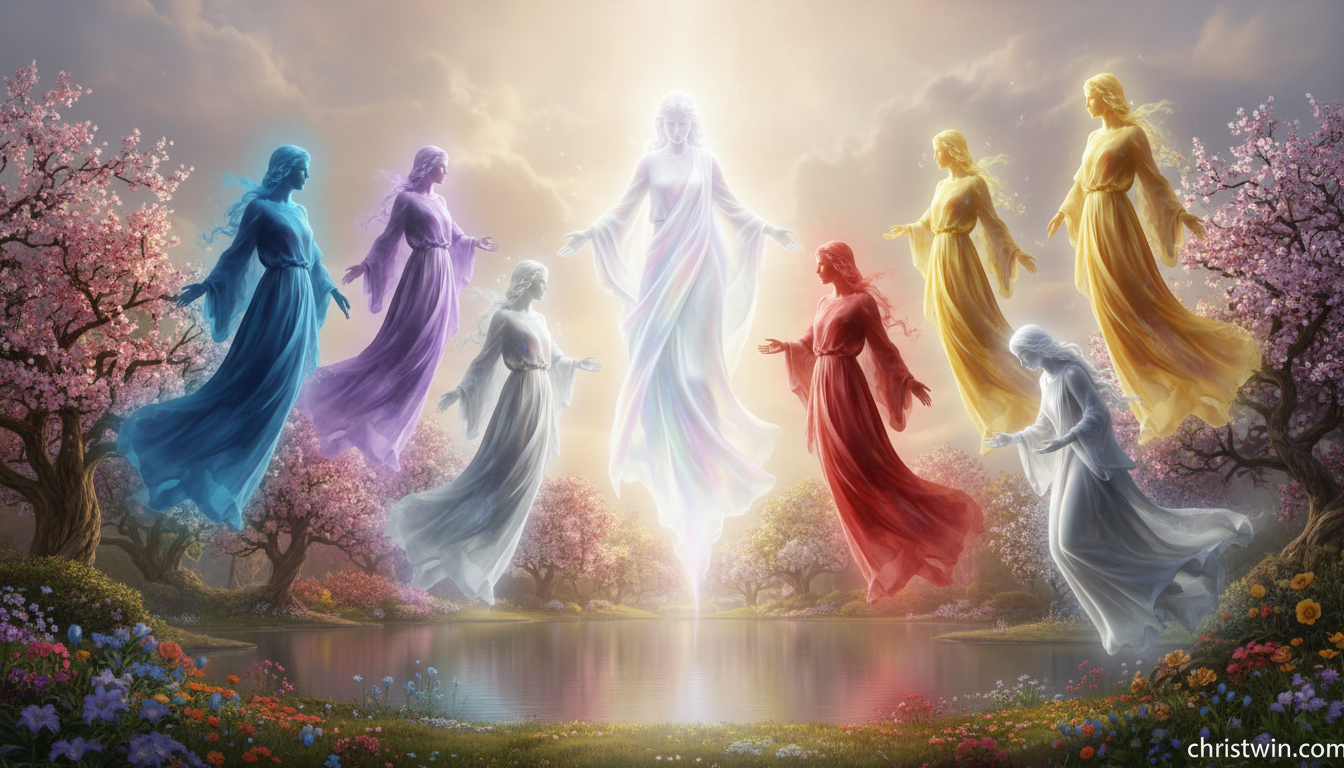
Welcome. You are about to meet a compact, life-changing passage that links prophecy and presence. Isaiah 11:1-3 names a Branch on whom a Spirit rests. That list is short, clear, and powerful.
This introduction will show why many believers call this passage a guide for growth and clarity. You will get plain definitions, biblical context, and simple next steps so faith shapes daily choices.
At first, language about seven spirits can feel odd. Read with one key idea: fullness, not mystery. Revelation uses throne imagery to show how that fullness centers on God’s rule and care.
Goal: move from trivia to transformation. You will learn how each expression invites steadiness, wisdom, and peace. Upcoming sections will map Isaiah, unpack each expression, link Revelation, and offer practical ways to steward holy spirit work at home and work.
Isaiah 11:1-3 KJV in context: the Branch from Jesse and the Spirit that rests
Isaiah uses tree language to show how a Branch rises from deep roots and will bear fruit. This image ties Messiah hope to steady growth, not flash-in-the-pan success.
The roots and Branch theme
Isaiah 11:1 links a Branch to its roots to point to lineage and continuity. That connection means fruit follows from rooted life, not mere effort.
What it means that the Spirit of the LORD shall rest upon him
Rest implies lasting presence: steady power, clear purpose, and real peace. Jerame Nelson notes that time with the Holy Spirit helps an anointing to rest upon you so fruit forms.
James W. Goll adds that the same Spirit that rested on Jesus empowers believers for mission. When your life is rooted in the lord, fruit becomes overflow, grace turns ordinary moments into heaven-sent impact, and spiritual resilience holds firm.
The Amazing 7 Spirits of God described in Isaiah 11:1-3 KJV
Here we unpack seven expressions that describe how God’s Spirit shows up in practice. Each short phrase points to a posture you can cultivate so faith shapes daily choices.

Spirit of the Lord
Anointing and calling: this is presence that marks a person for service. Jerame Nelson reminds us the holy spirit is both in you and upon you to bring proclamation and freedom.
Spirit of wisdom
Wisdom here means applying truth at the right time. Spirit wisdom pairs with revelation to open practical doors when you need breakthrough.
Spirit of understanding
Understanding brings clarity for Scripture and discernment. Purity of heart helps you hear and see with less confusion.
Spirit of counsel
Counsel offers heaven’s blueprint. Listening prayer and obedience turn guidance into a workable strategy for work and family.
Spirit of might
Strength and power flow as the Spirit empowers action. This is deliverance and endurance when you face opposition.
Spirit of knowledge
Knowledge is being known by the Father and sharing truth that awakens people. That conviction leads to real change, not shame.
Spirit of the fear of the Lord
Fear as worship: awe that delights in holiness. This spirit grows love for the father and fuels faithful living.
One Holy Spirit, sevenfold fullness: making sense of “seven spirits” language
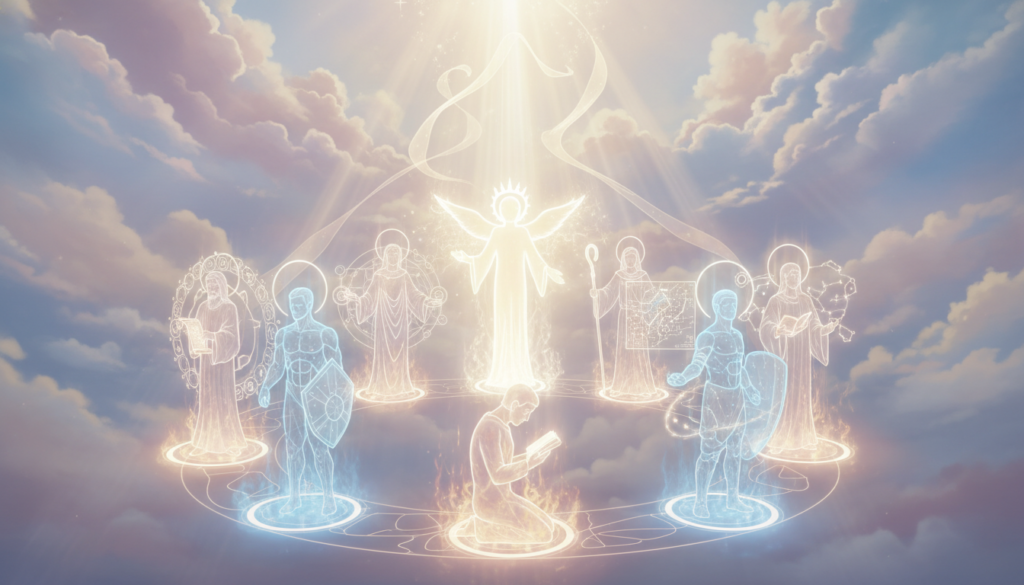
When Revelation names “seven spirits” it invites you to see fullness, not confusion. Revelation 1:4 places that phrase right after words of grace and peace, and it stands before the throne in worship language.
How Revelation frames the phrase before the throne
Revelation 1:4 links those seven spirits with Father and Son language, so the image belongs in praise. Revelation 3:1 adds that Jesus holds the seven spirits and the god seven stars, signaling care and oversight, not a list of independent beings.
Manifold operations, not seven separate beings
Leading commentators help you read this plainly. Leon Morris calls it an unusual label for the Holy Spirit. John Wesley says it points to manifold operations. William Barclay rejects an angelic reading and highlights sevenfold virtues within one Spirit.
Takeaway: think fullness, not fragmentation. The phrase blends Isaiah’s descriptors, translation choices, and Revelation’s throne imagery to show one holy spirit working in many ways to bless the church and pour presence into heaven and earth.
Revelation’s imagery explained: seven lamps, seven horns, seven eyes sent into all the earth
Apocalyptic pictures work like a lens, sharpening how you see spirit work in the world. Read slowly; each detail points to fullness and mission.
Seven lamps blazing before the throne (Revelation 4:5) shows a light that exposes and guides. These lamps name the seven spirits and speak of full illumination. That light brings purity, truth, and simple direction for daily choices.
Seven horns and seven eyes: fullness of power and insight
Revelation 5:6 pairs seven horns with seven eyes. James W. Goll notes this means complete power and complete insight. Horns show strength; eyes show divine sight that notices what you miss.
Sent out into all the earth
The phrase “sent out into all the earth” highlights mission. The seven spirits god are not locked on the throne. They move through believers into neighborhoods, workplaces, and families.
Keeping the sevens clear
Revelation 1:20 separates lampstands, stars, and the seven spirits. They connect but remain distinct. This helps you read symbols without confusion and trust that heaven equips the church for real, humble work on earth.
How to steward the sevenfold work of the Spirit in everyday life
Stewarding spiritual gifts moves theology into steady habits you can keep in a busy week. Start with small rhythms that shape your day and invite consistent growth.
Intimacy and anointing
Make space for quiet prayer, honest worship, and Scripture reading so the holy spirit can rest upon you. Jerame Nelson notes this rest comes as presence that flows in you and then flows out for others.
When intimacy is steady, anointing becomes natural. Your words and service gain weight without effort.
Purity and perception
Clean-hearted living sharpens understanding. Think of Daniel refusing to defile himself; that choice led to clearer insight and favor.
Matthew’s promise for pure hearts shows how holiness improves spiritual sight in daily life.
From counsel to might
Wait for wise counsel, then act in strength. John 5:19 models watching the Father’s lead before moving.
Aligning strategy with heaven grants real power and resilience. Love, wisdom, and knowledge will guide choices and keep your heart tender in reverent fear.
Conclusion
Conclusion
In short, this passage asks you to see one Spirit at work in many ways. Isaiah centers the sevenfold list on the Messiah, and Revelation’s throne language supports fullness rather than division.
Recap the seven expressions: Spirit of the Lord, wisdom, understanding, counsel, might, knowledge, and the fear that delights. Let each phrase shape prayer and choice this week.
Ask the holy spirit to fill you with wisdom and strength. Let reverent fear become delight that protects your peace and steadies your steps.
Carry this out: live with humble power, share grace, and trust that the same Spirit who rested on Jesus can rest on you and move through your life into the world.
