
What does a biblical verse comparing Jerusalem’s lust to donkeys’ and horses’ actions mean? This question comes up when we read Ezekiel 23:20. It has made many scholars and readers curious.
The verse is in Ezekiel 23, talking about Jerusalem’s betrayal. It shows her desire for foreign alliances and idols. Knowing what this verse means helps us understand Jerusalem’s spiritual actions.
Exploring the history and culture of Ezekiel 23:20 reveals its deep meaning. It shows how this verse fits into the Bible’s story.
The Prophet Ezekiel and His Historical Context
The prophet Ezekiel lived during the Babylonian exile. This time was very hard for the Israelites. To understand Ezekiel 23:20, we need to know the history and culture of that time.
Who Was Ezekiel?
Ezekiel’s name means “God strengthens.” He was a priest-prophet called by God. He spoke God’s messages to the Israelites during a very tough time.
As a priest, Ezekiel knew a lot about Israel’s laws and traditions. He used this knowledge to share God’s plans for redemption and judgment.
The Babylonian Exile Period
The Babylonian exile started in 586 BCE. It was a very hard time for the Israelites. Jerusalem and the Temple were destroyed, and many Israelites were forced to move to Babylon.
This event was a big crisis for Israel’s identity. Ezekiel’s messages were given during this time of sadness and loss.
Purpose and Nature of Ezekiel’s Prophetic Ministry
Ezekiel’s ministry was full of dramatic actions and visions. He wanted to remind the Israelites of their faithfulness to God. His messages warned of judgment for wrongdoings and promised hope for the future.
Ezekiel used vivid images and symbolic acts. This made his messages unforgettable and powerful.
Understanding the Book of Ezekiel
To understand Ezekiel, we must look at its unique style and when it was written. It’s filled with complex images and symbols. This makes it hard to figure out.
Literary Style and Symbolic Language
The Book of Ezekiel is known for its vivid pictures and symbols. Ezekiel uses stories, metaphors, and visions to share God’s messages. For example, Ezekiel 23 talks about two sisters, Oholah and Oholibah. They stand for Samaria and Jerusalem, showing their spiritual mistakes.
Major Themes and Messages
Ezekiel talks about God’s power, the effects of sin, and the chance for new beginnings. Ezekiel warns the Israelites to follow God’s rules. He tells them of the bad things that will happen if they don’t.
The book also talks about God’s judgment and Israel’s future. Ezekiel uses symbols and stories to make his messages strong. For instance, Chapter 23 shows God’s people as spiritual adulterers. This shows how serious their actions are and God’s justice.
The Role of Visions and Allegories
Visions and allegories are key in Ezekiel. They are how God shares his messages. Ezekiel had many visions, like the famous dry bones in Ezekiel 37. This vision means Israel will be restored.
These visions and stories make complex ideas easy to understand. They also prove Ezekiel’s role as a prophet. They create a rich world of images that scholars have studied for ages.
The Context of Chapter 23 in Ezekiel
In Ezekiel 23, the prophet uses a vivid allegory to share a powerful message. This chapter is part of a larger book that talks about the spiritual and moral decay of God’s people.
The Allegory of the Two Sisters: Oholah and Oholibah
The allegory is about two sisters, Oholah and Oholibah. Oholah stands for Samaria, the capital of the northern kingdom of Israel. Oholibah stands for Jerusalem, the capital of the southern kingdom of Judah. The story tells of their lustful behavior and idolatry, using strong images to show their spiritual betrayal.
Representing Samaria and Jerusalem
The story of Oholah and Oholibah shows the history and spiritual state of both kingdoms. It says both kingdoms were guilty of idolatry and spiritual adultery. They turned away from God to make foreign alliances and follow other worship practices.
- Oholah (Samaria) was corrupted by her alliances with other nations.
- Oholibah (Jerusalem) followed the same path, making her sister’s sins worse.
- The story talks about the bad results of their actions, both spiritually and politically.
The Literary Purpose of the Extended Metaphor
The metaphor of the two sisters has many literary purposes. It lets Ezekiel criticize the religious and political actions of both Israel and Judah in a vivid and memorable way. By using the metaphor of sisters and their lustful behavior, Ezekiel shows how serious God’s judgment is on their idolatry.
- The allegory strongly criticizes idolatry and spiritual infidelity.
- It shows the bad results of turning away from God.
- The use of strong images makes the prophet’s message more powerful.
Through this analysis, we see Ezekiel 23 is more than just a historical account. It’s a deep theological look at God’s relationship with His people. The chapter gives us valuable insights into faithfulness and idolatry from a biblical point of view.
Ezekiel 23:20 Meaning and Explanation of She Lusted after Her Lovers
Ezekiel 23:20 is a verse that has caused a lot of debate. It talks about two sisters, Oholah and Oholibah, who stand for Samaria and Jerusalem. Knowing what this verse means is key to understanding Ezekiel 23.
Literal Translation and Textual Analysis
A direct translation of Ezekiel 23:20 shows a strong image. It talks about Oholibah wanting her lovers, comparing them to donkeys and horses. This isn’t just to shock us; it has a special meaning in the story.
The vivid pictures are meant to show how strong Oholibah’s desire is. Using animals like donkeys and horses might hint at their wild nature in old times.
The Explicit Imagery and Its Intended Impact
The detailed pictures in Ezekiel 23:20 aim to shock us. It’s not just about lust; it’s a strong warning against Israel’s betrayal of God. The harsh words highlight how serious Oholibah’s (and Jerusalem’s) actions were.
The goal of this imagery is to:
- Show how deep Israel’s spiritual corruption went
- Highlight the bad results of ignoring God
- Make readers think and maybe even change
The Rhetorical Purpose of Shocking Language
The shocking words in Ezekiel 23:20 are meant to make a point. They show God’s anger at Israel’s idolatry and spiritual cheating. Ezekiel wants to stress how serious Israel’s sins were and how important it is to come back to faith.
Strong words are used to:
- Grab the audience’s attention
- Show how serious God’s punishment is
- Urgently call for change
In short, Ezekiel 23:20 is a hard verse to get but very important. Its bold images and words tell us a lot about the dangers of straying from God and the need to stay true to Him.
The Metaphorical Significance of the Verse
Ezekiel 23:20 talks about Israel’s spiritual cheating. It uses a marriage story to show how deep their cheating was.
Ezekiel compares God and Israel’s bond to a marriage. This helps us see how bad Israel’s actions were when they chose idols.
Israel’s Spiritual Infidelity to God
Israel’s choice of idols is like cheating on God. It shows they broke their promise to God. This cheating is not just about rules; it’s about breaking a personal promise.
- The marriage story shows how close God wanted to be with Israel.
- Choosing idols is like cheating, showing how serious Israel’s betrayal was.
- The story shows God’s deep love for His people, showing how much He cared.
The Covenant Relationship as Marriage
The idea of covenant is like a marriage. It means a deep, lasting bond. God’s deal with Israel was based on love, loyalty, and shared duties.
The marriage metaphor is strong. It talks about feelings, promises, and faithfulness. So, Israel’s choice of idols was a big betrayal.
How Idolatry Constituted Spiritual Adultery
Idolatry was seen as cheating because Israel chose other “lovers” (idols and foreign nations) over God. This was like breaking their marriage vows. It showed they rejected God’s love and rule.
In short, Ezekiel 23:20 uses a cheating story to show Israel’s deep spiritual betrayal. This powerful image shows how serious idolatry is. It also shows God’s wish for a special, loving bond with His people.
Historical Context of Israel’s Foreign Alliances
When Ezekiel prophesied, Israel was tied to Egypt and Assyria. These ties were not just for politics. They deeply affected Israel’s faith in God.
Political Relationships with Egypt and Assyria
Israel was caught between Egypt and Assyria. These two powers were huge. Israel wanted to stay safe by making friends with them.
- Strategic Alliances: Israel made deals with these powers for safety and money.
- Political Intrigue: These deals were full of secrets. Israel sometimes chose one over the other.
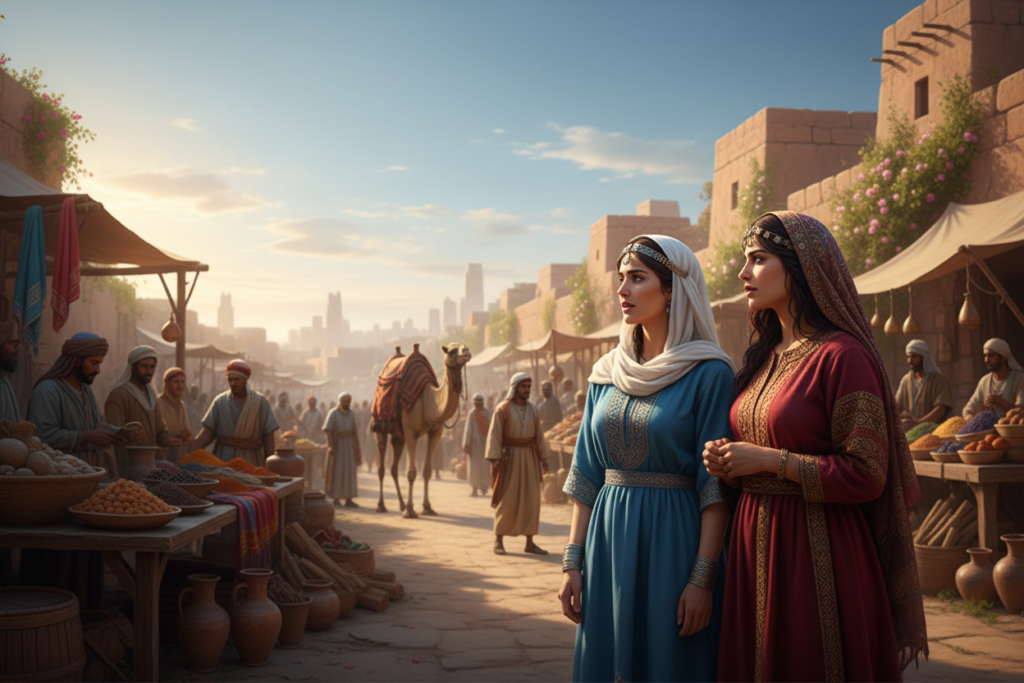
Religious Syncretism and Foreign Worship Practices
Being friends with Egypt and Assyria changed Israel’s faith. They took on their religious ways.
This wasn’t just cultural sharing. It was a big betrayal of God. It broke the promise between God and Israel.
How These Alliances Violated the Covenant with God
The deal between God and Israel was about loyalty. But Israel chose to follow other gods and ways. This broke the promise.
- Worshiping other gods was against God’s rules.
- It showed Israel didn’t trust God to protect them. It was a sign of spiritual cheating.
Knowing about Israel’s alliances helps us understand Ezekiel 23:20. It shows how important faithfulness is to God’s people.
Ancient Near Eastern Cultural Context of the Imagery
Ezekiel 23:20 uses images known to its first listeners. It draws from ancient Near Eastern culture and symbols. Knowing this context helps us grasp the verse’s meaning.
lovemaking Metaphors in Ancient Literature
In old times, lovemaking was used to talk about big ideas like love, power, and loyalty. The verse in Ezekiel 23:20 uses these metaphors to show how deep Israel’s spiritual betrayal was. These images were powerful and carried deep meaning, making them great for prophets to speak through.
Animal Imagery in Prophetic Discourse
Animals were also key in prophetic speech, standing for traits, actions, or groups. In Ezekiel 23:20, the image of lovers like donkeys and their offspring like horses is very striking. This imagery was meant to shock and get a reaction, showing how bad Israel’s idolatry and spiritual decay were.
How the Original Audience Would Have Understood This Language
The people of Ezekiel’s time knew the language and symbols used in the prophecy. They had a deep understanding of ancient Near Eastern literature and prophetic ways. For them, the images in Ezekiel 23:20 brought up strong feelings about idolatry and spiritual cheating, criticizing their religious acts.
Looking at Ezekiel 23:20 through its ancient Near Eastern lens gives us key insights. It shows the urgency of staying true to God and warns against idolatry and spiritual cheating.
Theological Implications of Ezekiel 23:20
Ezekiel 23:20 shows God’s deep love for His people. It’s not just about Israel’s wrong choices. It’s a deep look into God’s heart and what He wants.
God’s Jealousy for His People’s Devotion
God’s jealousy is a big idea in Ezekiel 23:20. It comes from His love and commitment to His people. This jealousy is not about being jealous or controlling. It’s about wanting a special, loving bond.
This idea is key to understanding the Bible. It shows how serious God is about loyalty and faithfulness. The marriage image in the Bible shows God’s desire for closeness and exclusivity.
The Consequences of Spiritual Unfaithfulness
Israel’s spiritual betrayal in Ezekiel 23 has big consequences. The chapter talks about the punishment for breaking the covenant. This punishment is meant to fix the relationship between God and His people.
This warning is not just for ancient Israel. It’s for everyone who believes in the God of Israel. The New Testament also talks about the importance of staying faithful and the risks of turning away from God.
The Call to Return to Covenant Faithfulness
Ezekiel 23:20 and its context call for faithfulness. Even with the harsh talk about Israel’s sins and God’s judgment, there’s hope. Ezekiel, inspired by God, urges people to turn back to their love for God.
This call to faithfulness is a big theme in the Bible. It shows God’s readiness to forgive and welcome back those who return to Him. Ezekiel 23:20 reminds us of God’s lasting love and His wish for a faithful bond with His people.
Similar Metaphors in Other Prophetic Books
The idea of spiritual infidelity as cheating in marriage is seen in many Old Testament books. This shows how seriously God takes Israel’s spiritual betrayals.
Hosea’s Marriage as a Prophetic Sign
The book of Hosea shows this idea clearly. God tells Hosea to marry a cheating woman, Gomer. This act is like a story of Israel’s cheating on God.
Key parts of Hosea’s story include:
- The command to marry an adulteress (Hosea 1:2-3)
- The naming of Hosea’s children as symbols of God’s judgment and mercy (Hosea 1:4-9)
- The reconciliation with Gomer, symbolizing God’s restoration of Israel (Hosea 3:1-5)
Jeremiah’s Use of Marital and lovemaking Imagery
Jeremiah also talks about Israel’s spiritual state using marriage and lovemaking. In Jeremiah 2:20 and 3:1-3, he calls Israel’s idolatry “prostitution.” This shows how Ezekiel later uses similar words, showing a common theme in different books.
Jeremiah’s messages include:
- The history of Israel’s idolatry
- The call to turn back to God
- The dangers of not changing
The Consistency of the Infidelity Metaphor Throughout Scripture
The idea of spiritual cheating as marital cheating is found in many places. It shows God’s deep love for His people’s loyalty and how serious idolatry is.
This idea is seen in many books, showing a clear message from the Old Testament. It shows how God’s love and Israel’s cheating are part of a big story.
Addressing Common Misinterpretations
To really get Ezekiel 23:20, we need to look at its history and meaning. This verse, like many in Ezekiel, can be seen in different ways. Some views might not be right.
Taking the Verse Out of Its Literary Context
Many miss the point of Ezekiel 23:20 by ignoring its setting. It’s part of a story about Israel’s faithlessness, shown through Oholibah. Knowing this setting is key to understanding the verse.
The story of Oholibah and her sister Oholah criticizes Israel’s and Judah’s wrong choices. If we pull verse 20 out, we might miss its real message.
Misunderstanding the Purpose of the Graphic Language
The vivid words in Ezekiel 23:20 shock us on purpose. This language shows how deep Israel’s spiritual problem was. It also shows how serious their betrayal of God was.
It’s important to see why this language is used. It’s not just to describe. It’s to make us see how serious Israel’s actions were.
Balancing Historical-Cultural Context with Theological Meaning
To get Ezekiel 23:20, we must look at its history and spiritual meaning. The verse talks about Israel’s past with other nations and their wrong religious choices.
- The history helps us understand what’s being criticized.
- The spiritual side shows God’s reaction to Israel’s betrayal and the results.
- Looking at both sides helps us see the verse’s place in the Bible.
By studying Ezekiel 23:20 carefully, we learn more about Israel’s spiritual state. This is important for today’s faith groups too.
This way of reading Ezekiel 23:20 helps us understand it better. It also shows how complex and deep biblical stories are. It’s all about understanding the context.
Connecting to the Broader Biblical Narrative
The Bible talks a lot about Israel’s faithlessness. Ezekiel 23:20 shows this clearly. It’s part of a story that talks about Israel’s spiritual cheating.
Israel’s Recurring Pattern of Unfaithfulness
Israel’s story is filled with disobedience and idol worship. Ezekiel 23 uses Oholah and Oholibah to show this. They wanted foreign friends and idols, just like the Bible warns.
God’s Persistent Love Despite Betrayal
Even when Israel betrayed God, He never gave up. The Bible shows God’s love through covenants and prophets. Ezekiel’s words, like in chapter 23, call for Israel to come back to God.
The Ultimate Redemption Through Christ
The New Testament says Jesus is the best example of God’s love. Jesus’ faithfulness is opposite to Israel’s cheating. Through Him, everyone can have a new chance with God. Ezekiel 23:20 is a step towards understanding Jesus’ message of salvation.
Conclusion
Ezekiel 23:20 shows us Jerusalem’s spiritual mistakes and their effects. This part of the Old Testament warns us about the dangers of idolatry. It also teaches us the value of staying true to God.
The prophet Ezekiel uses strong images and metaphors in his book. He talks about God’s anger towards Israel’s faithlessness. The story of Oholah and Oholibah in chapter 23 shows Israel’s spiritual cheating. It shows how their actions against God’s rules were wrong.
Thinking about Ezekiel 23:20 makes us remember God’s love even when we betray Him. This part of the Bible tells us to stay loyal to God. It warns us about the dangers of spiritual cheating.
In short, studying Ezekiel 23:20 helps us understand the Old Testament better. It shows how important it is to analyze the Bible. This helps us grasp the deep connections between humans and God.
